





- Your cart is empty Browse Shop
9 Intimate Reasons Why Keepsake Urns for Ashes Offer More Than You Ever Imagined
Introduction: When Something Small Holds Everything That Matters
When people hear the word “urn,” they often think of a single, large container resting on a mantel. But for many families today, the answer to preserving the memory of a loved one lies not in a grand monument—but in something smaller, quieter, and deeply personal: the keepsake urn.
Table of Contents
So what exactly are keepsake urns for ashes?
At its core, a keepsake urn is a miniature urn designed to hold a small portion of cremated remains—just a few teaspoons of ashes. It might be a locket worn close to the heart, a tiny vessel placed beside your bed, or a beautiful sculpture discreetly holding love, not loss.
This is the story of how the smallest urns can offer the biggest healing.
1. What Are Keepsake Urns for Ashes—and Why Do They Exist?
A keepsake urn, sometimes called a token urn or mini urn, is a small cremation container designed to hold a portion of a loved one’s ashes. While a standard urn holds all of the cremated remains (3–7 pounds worth), keepsake urns typically hold 1–4 ounces.
Why use one?
Because love doesn’t belong in just one place.
Families often use keepsake urns to:
- Divide ashes among siblings or children
- Keep a small portion while scattering or burying the rest
- Give one to each grandchild as a legacy
- Travel with the ashes without bringing the full urn
At Dei Gratia Urns, we’ve seen families use them as anchors—small symbols of remembrance that quietly sit in pockets, purses, or lockets.
2. The Emotional Comfort of Something You Can Hold
There’s something unspeakably intimate about holding part of someone you loved.
During a conversation with a grieving father, he told us:
“I carry a keepsake urn of my son in my coat. On hard days, I just hold it. I know he’s close.”
Grief is overwhelming, especially when you’re dealing with the finality of cremation. A keepsake urn gives you the option to grieve in doses. To process not the entire loss all at once—but gently, in pieces.
For many, it becomes a tangible source of comfort, like a photograph you can hold or a handwritten note you keep in your wallet.
3. Keepsake Urns and Shared Grief in Modern Families
Today’s families are more complex than ever.
- Blended families
- Long-distance relatives
- Adopted children
- LGBTQ+ partnerships
- Estranged members finding closure
In such diverse dynamics, keepsake urns allow grief to be inclusive.
One family we worked with at Dei Gratia Urns chose a matching set of five marble keepsake urns—one for each adult child, including a stepson who had lost contact for a decade.
“It healed more than grief,” the mother told us. “It healed the space between us.”
4. The Symbolism in Materials: What Your Keepsake Urn Says Without Words
Every urn tells a story—not just in size or shape, but in material.
Here are some commonly chosen materials and what they symbolize:
- Wood: Earth, legacy, warmth
- Glass: Fragility, clarity, transformation
- Marble: Permanence, dignity
- Brass: Strength, tradition
- Ceramic: Handcrafted care, artistic value
- Biodegradable materials: Nature, release, renewal
When selecting a keepsake urn from Dei Gratia Urns, consider not just what looks beautiful—but what feels true.
5. Keepsake Jewelry: Carrying Love Wherever You Go
Not all keepsake urns sit on a shelf.
Many are worn, close to the body—inside necklaces, rings, bracelets, even cufflinks. This is called cremation jewelry.
Most popular choices include:
- Lockets with ashes sealed inside
- Rings with miniature chambers
- Beads infused with remains and resin
- Dog tags or pendants engraved with a fingerprint or quote
Some pieces are even waterproof, ensuring they can be worn daily.
When you wear cremation jewelry, you turn grief into companionship.
6. The Ritual of Gifting Keepsake Urns
We’ve seen families use keepsake urns in the most touching ceremonies:
- A daughter giving one to her brother on their father’s birthday
- A widow gifting one to her late husband’s best friend
- A grandfather leaving one to each grandchild in his will
At Dei Gratia Urns, we call it “generational memory.”
Passing on a keepsake urn is more than gifting ashes—it’s gifting values, jokes, traditions, inside stories, and unconditional love.
7. Customizing Keepsake Urns with Meaningful Details
A keepsake urn doesn’t have to be generic.
At Dei Gratia Urns, we offer:
- Custom engravings: Names, dates, quotes, song lyrics
- Photo panels: Portraits or favorite places
- Symbols: Religious, spiritual, or personal icons
- Fingerprints and handprints: Forever etched in metal or stone
One family requested a small urn shaped like a baseball glove for their son. Another wanted an anchor for a father who was a Navy veteran.
We believe grief is sacred—and so is personalization.
8. When Scattering Ashes Isn’t the End—It’s a New Beginning
Some people scatter most of the ashes—on a beach, in the forest, or over a lake.
But what then?
Keepsake urns let you keep a part of your person while letting the rest of them go where they belonged in life.
A woman named Trina scattered her mother’s ashes into the Mississippi River—then tucked a tiny blue ceramic urn into her garden back home.
“She’s in two places now,” she said. “Where she loved to fish—and where I still need her.”
9. The Quiet Revolution: Why More Americans Are Choosing Keepsake Urns
Here are some real data and trends:
- According to the CANA, 41% of families now choose keepsake urns alongside a primary urn.
- 35% of those under age 40 say they would prefer to wear ashes in jewelry.
- 63% of blended families say they prefer to divide ashes instead of choosing just one resting place.
Why?
Because we are redefining legacy.
Because we understand that grief isn’t linear, and neither is remembrance.
Final Word: A Small Urn, A Big Heart
So… what is a keepsake urn for ashes?
It’s a memory. A companion. A whisper in the dark. It’s the freedom to carry grief on your own terms—and the love that never really leaves.
At Dei Gratia Urns, we believe that even the smallest vessel can hold a universe of love.
Because when someone mattered deeply… even a teaspoon of ashes is everything.
At Dei Gratia Urns, we see daily how keepsake urns touch lives. From bedside tables to bookshelves, from lockets to lockboxes, these pieces of the soul become part of how we move forward. In this guide, we explore the profound emotional role that keepsake urns play in healing, connection, and legacy.
The loss of a loved one is a storm of emotions—grief, love, regret, longing—and often, families find themselves asking: How do I honor them in a way that feels deeply personal? That’s where keepsake urns for ashes come into play. These small, tender vessels do more than just hold ashes; they hold meaning, memory, and a sense of presence.
In this human-centered guide, we explore the emotional and practical landscape of keepsake urns. Whether you’re new to the world of cremation or considering how to split ashes among family members, this heartfelt breakdown will provide answers, comfort, and direction.

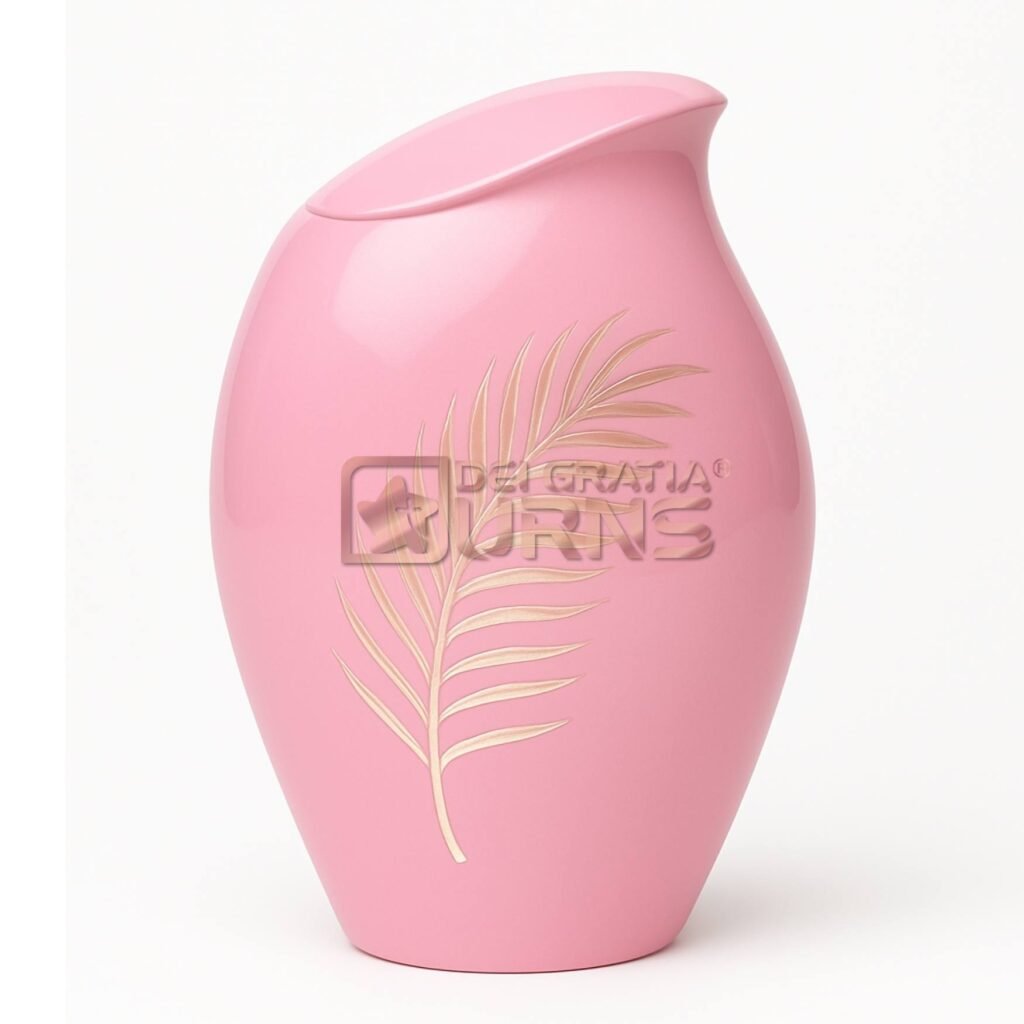
Florida Pink Cremation Urns for Human Ashes Adult Female
$0.00Florida Pink Palm Leaf Cremation Urn for Adult Ashes The Florida Pink Cremation Urn for Human Ashes is a graceful adult memorial urn…
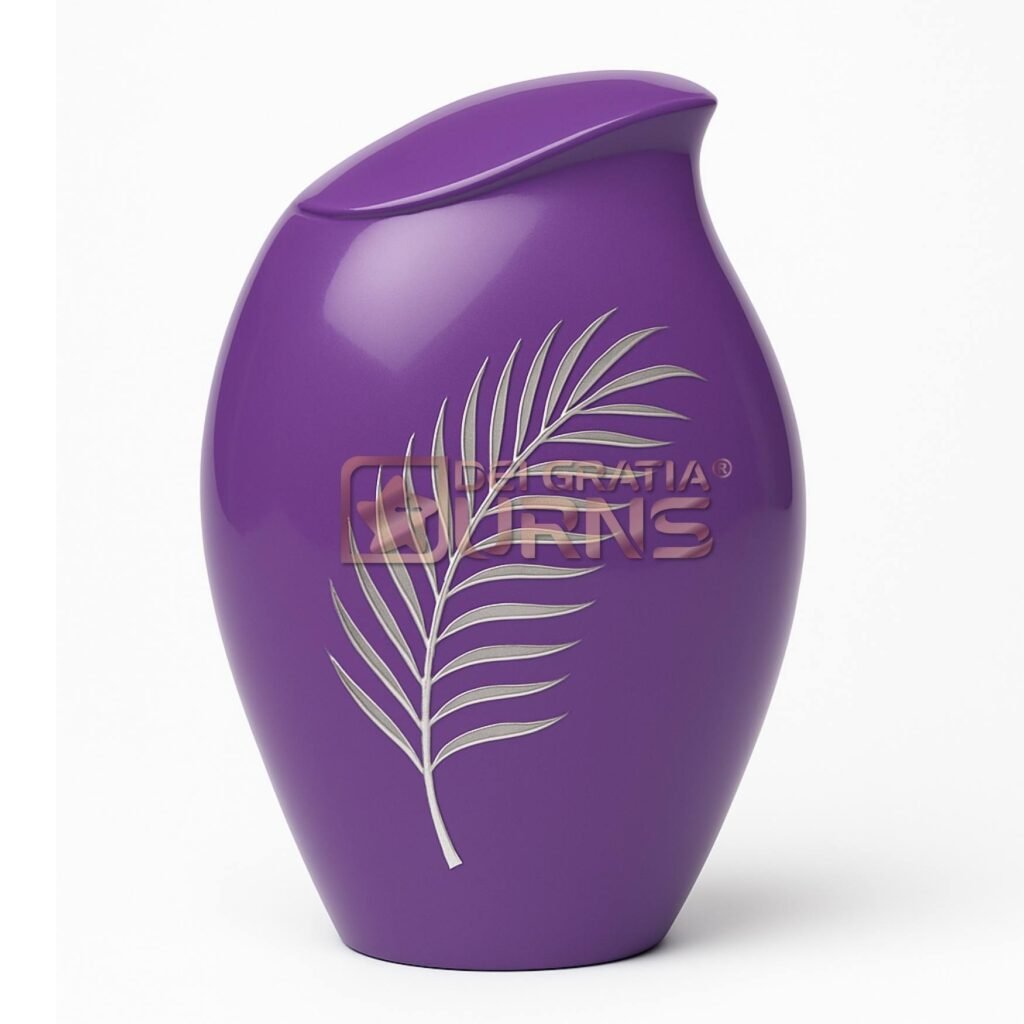
Florida Purple & Silver Palm Leaf Cremation Urn for Adult Ashes
$0.00Florida Purple Palm Leaf Cremation Urn for Adult Ashes The Florida Purple Palm Leaf Cremation Urn is a contemporary adult memorial vessel created…
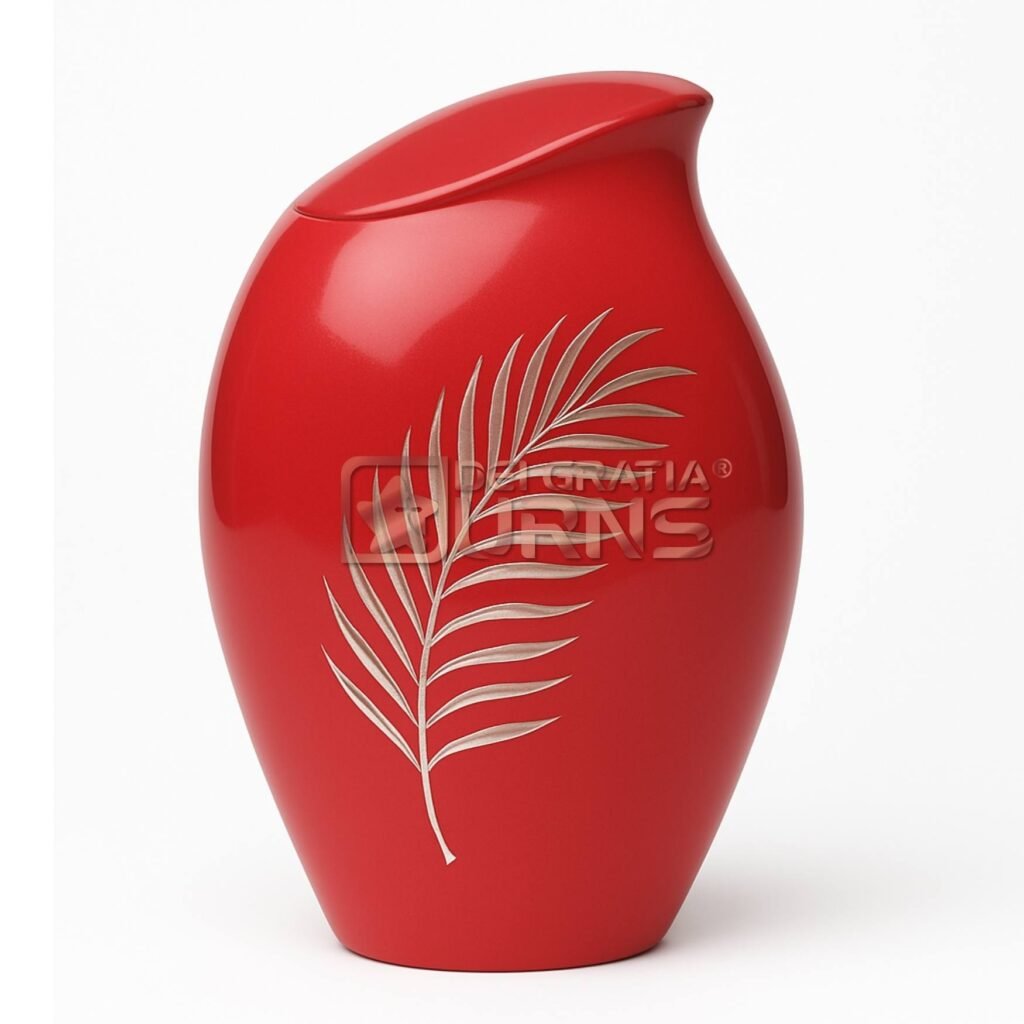
Florida Red Palm Leaf Cremation Urn for Adult Ashes
$0.00Florida Red Palm Leaf Cremation Urn for Adult Ashes The Florida Red Palm Leaf Cremation Urn for Adult Ashes is a striking, dignified…
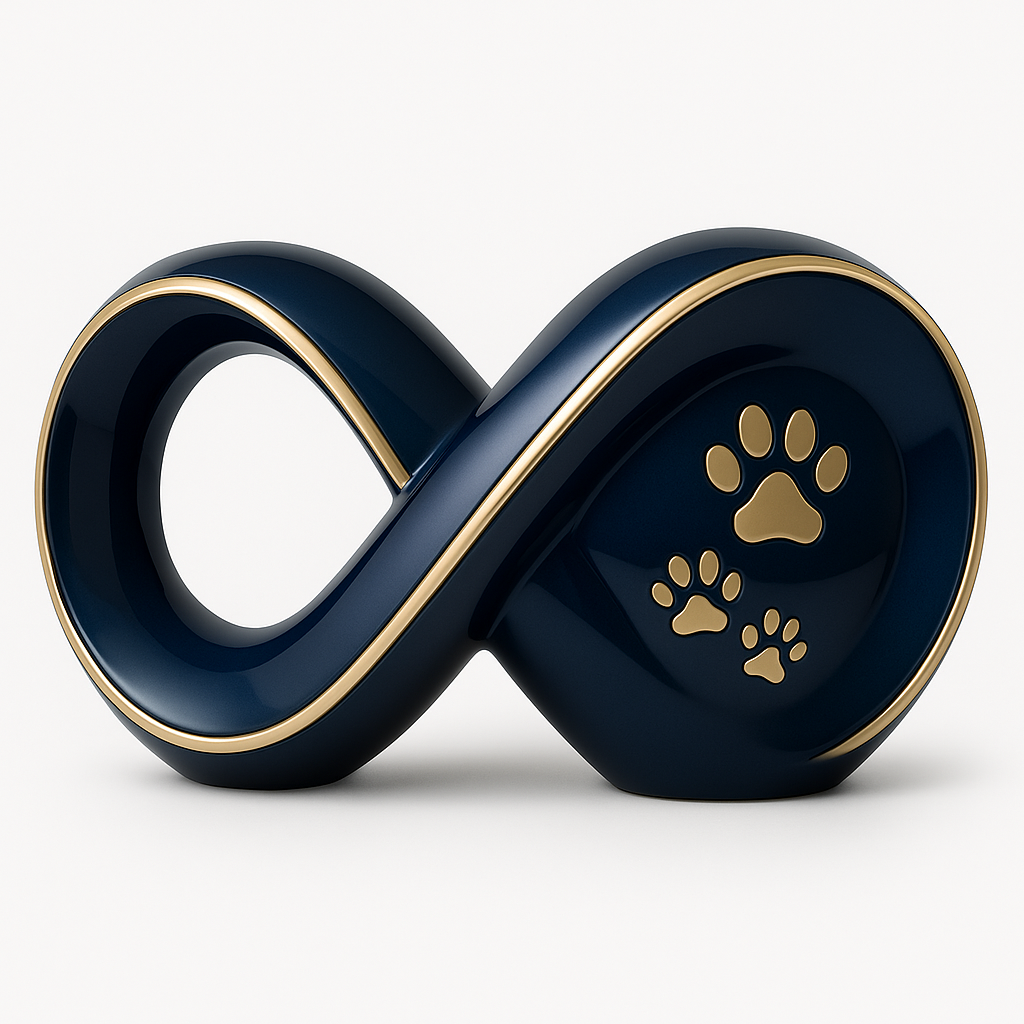
Forever Paw Infinity Pet Cremation Urn for Ashes
$99.00Forever Paw Infinity Pet Cremation Urn The Forever Paw Infinity Pet Cremation Urn is a sculptural memorial created to honour the enduring bond…
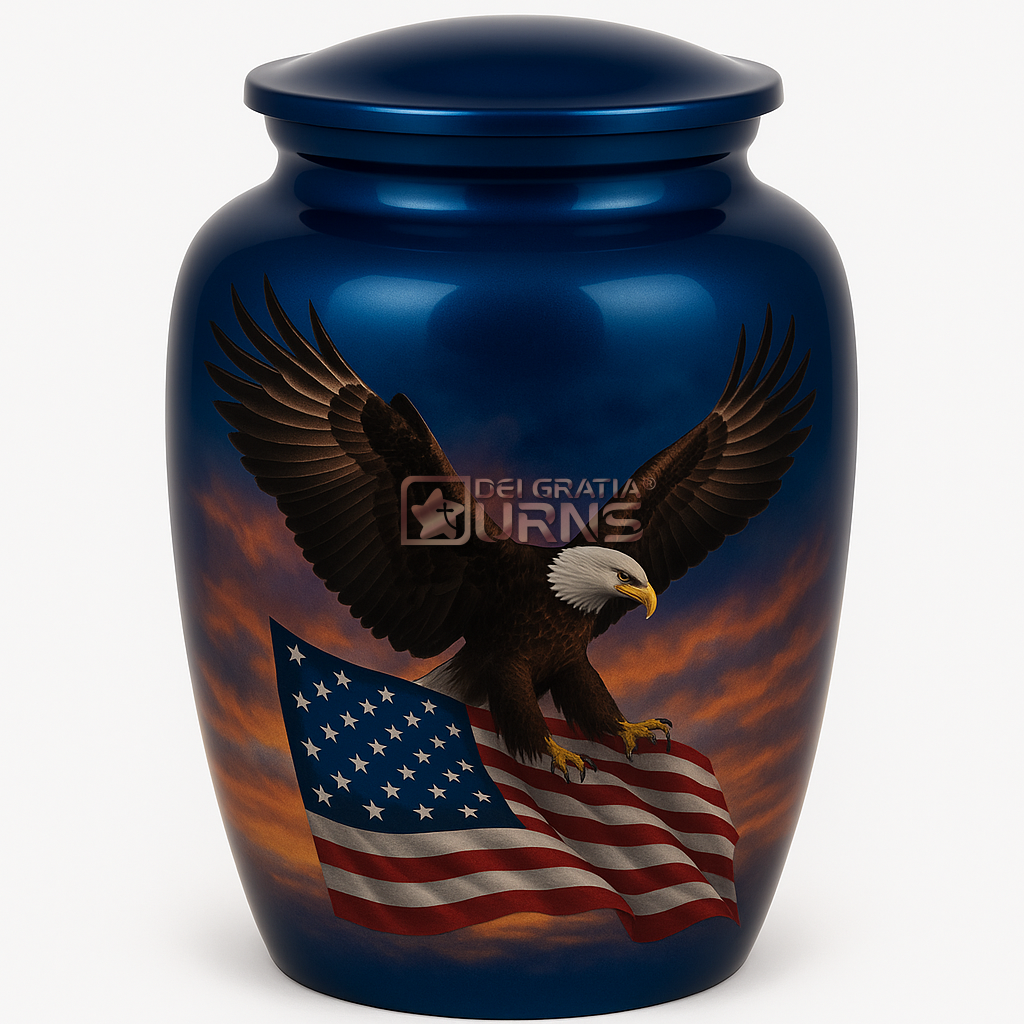
Freedom Flight Blue Eagle & American Flag Cremation Urn
$0.00The Freedom Flight Blue Eagle & American Flag Cremation Urn is a powerful memorial for someone remembered for courage, independence and devotion to…
Freedom Soars Patriotic Eagle Cremation Urn
$99.00Freedom Soars Patriotic Eagle Cremation Urn The Freedom Soars Patriotic Eagle Cremation Urn offers a dignified way to remember an adult whose life…
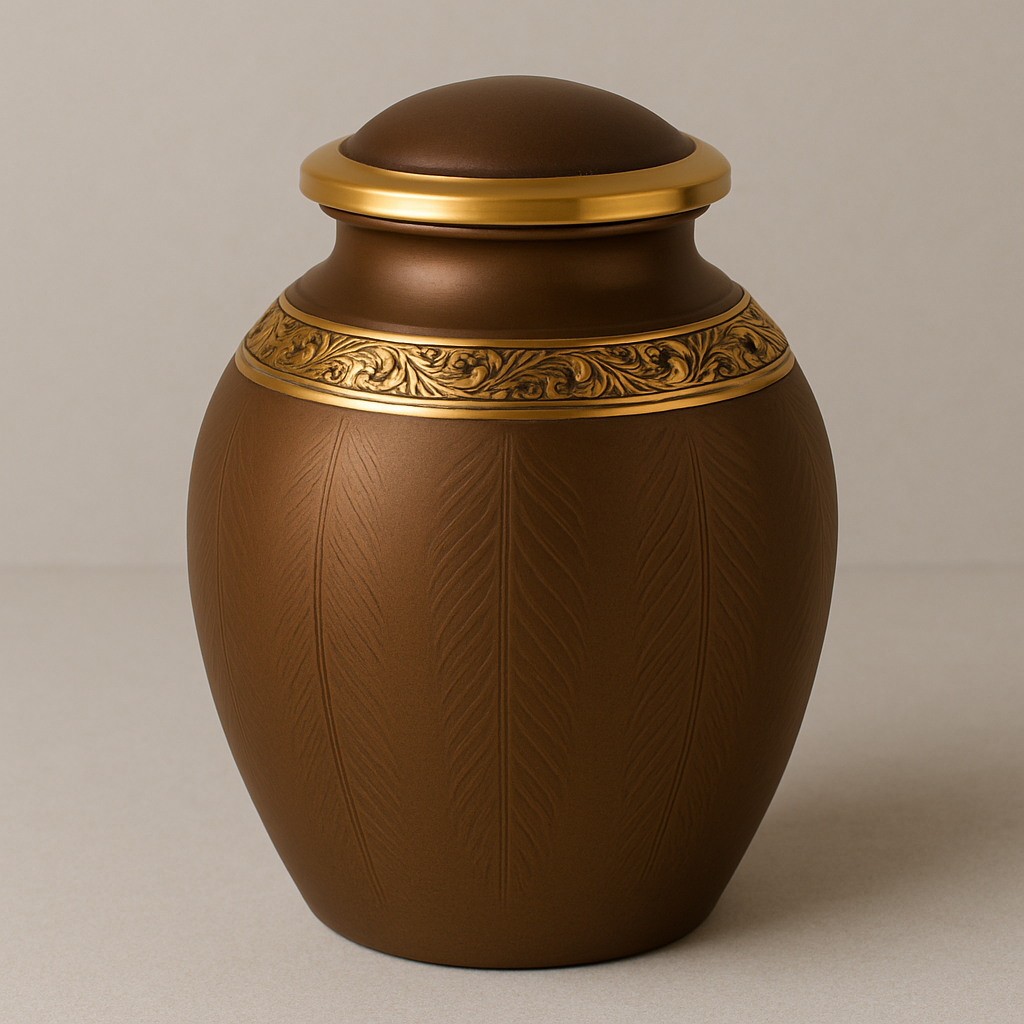
Heritage Bronze Leaf Cremation Urn for Adult Ashes
$99.00Heritage Bronze Leaf Cremation Urn for Adult Ashes The Heritage Bronze Leaf Cremation Urn is a dignified full-size memorial vessel created for the…
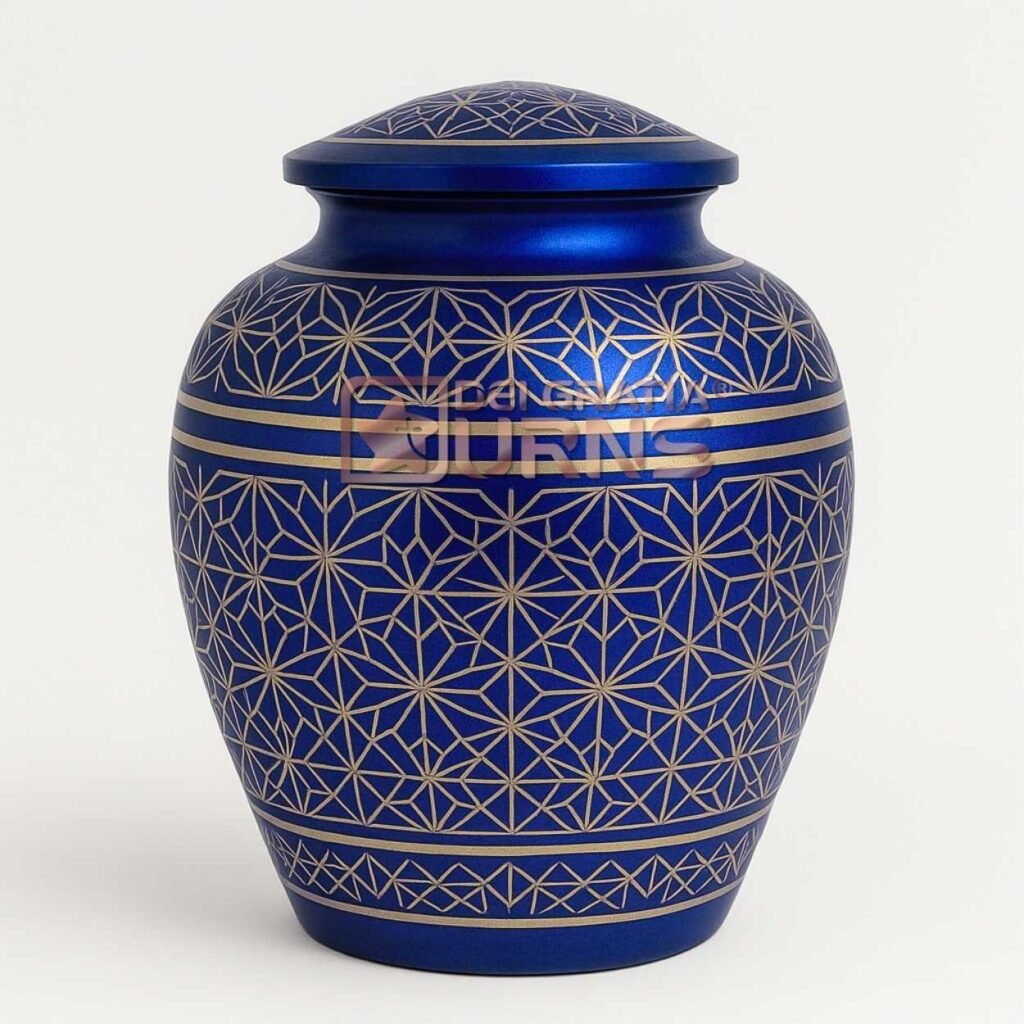
Houston Blue & Silver Geometric Cremation Urn for Adult Ashes
$0.00Houston Blue & Silver Cremation Urn for Adult Ashes The Houston Blue & Silver Cremation Urn for Adult Ashes offers a distinguished memorial…
Houston Burgundy & Gold Geometric Cremation Urn for Adult Ashes
$0.00Houston Burgundy & Gold Geometric Cremation Urn for Adult Ashes The Houston Burgundy & Gold Geometric Cremation Urn for Adult Ashes combines a…
1. What Are Keepsake Urns for Ashes? A Tiny Vessel with Tremendous Meaning
A keepsake urn—sometimes called a mini urn—is a small container designed to hold a portion of cremated ashes. Unlike traditional full-size cremation urns, these vessels are meant to be shared among loved ones or used to preserve a small, symbolic amount of the ashes.
According to the Cremation Association of North America (CANA), the average weight of cremated remains is around 3 to 9 pounds. A keepsake urn typically holds just 1 to 5 cubic inches of ashes—perfect for families wishing to divide the ashes or to combine ashes with other commemorative materials like jewelry or garden stones.
Why people choose keepsake urns:
- To share ashes among multiple family members.
- To keep a symbolic amount of ashes at home while burying or scattering the rest.
- To pair with cremation jewelry like necklaces or bracelets.
- To use in companion urns, where a couple’s ashes are held together but also divided.
2. The Emotional Weight Behind Something So Small
Size doesn’t equate to emotional magnitude. In fact, it’s the intimacy of keepsake urns that makes them so beloved.
Consider Linda Stevenson, a grieving daughter from Ohio, who chose to keep just a thumb-sized keepsake urn on her bookshelf. “I didn’t want to keep all of dad’s ashes,” she shared, “but I needed a piece of him with me. That tiny urn has seen me through nights of tears and mornings of strength.”
Sigmund Freud once wrote that mourning requires “repetition”—repeating memories, rituals, or symbols. A keepsake urn becomes one such powerful symbol, allowing people to grieve in their own time and on their own terms.
3. The Different Types of Keepsake Urns: Which One Speaks to You?
From handcrafted wood to ornate brass, the variety in design means there’s a keepsake urn to suit every story.
Types of Keepsake Urns:
- Metal Keepsake Urns
Often made of brass, aluminum, or stainless steel. Durable and traditional.
Ideal for: Classic home memorials or travel. - Wood Keepsake Urns
Warm, natural textures with engraving options.
Ideal for: Rustic, earthy, or spiritual personalities. - Glass or Crystal Keepsake Urns
Delicate yet artistic, often hand-blown or custom etched.
Ideal for: Artistic spirits or elegant home décor. - Ceramic Keepsake Urns
Fragile but beautiful, perfect for indoor display.
Ideal for: Artistic memorial spaces. - Cremation Jewelry
Tiny capsules embedded in lockets, rings, or bracelets.
Ideal for: Daily remembrance. - Eco-Friendly Keepsake Urns
Made from biodegradable materials like paper, salt, or sand.
Ideal for: Green burials or water ceremonies.
Each type holds symbolic power. For instance, choosing a Tree of Life urn evokes growth, eternal connection, and rebirth—a potent image when grieving.
4. Who Are Keepsake Urns Really For? It May Surprise You…
It’s easy to assume keepsake urns are only for family members. But increasingly, they’re being used in wider social circles:
- Siblings who wish to keep a piece of their parents close after selling the family home.
- Friends or partners of unmarried decedents who shared deep, personal bonds.
- Parents who have lost a child and want matching urns to feel emotionally connected across distance.
- Military or veteran families, who divide ashes into patriotic-themed keepsakes.
- Pet lovers, using mini urns for pet cremation—a bond as sacred as any.
In fact, Elisabeth Kübler-Ross, the pioneer of modern grief psychology, emphasized that healing isn’t always about “moving on” but “finding ways to keep love alive.” Keepsake urns help do just that.
5. The Role of Keepsake Urns in Funeral Rituals and Cremation Ceremonies
Keepsake urns have evolved to play unique roles in contemporary funeral planning and cremation ceremonies.
Here’s how:
- At the Service:
Mini urns may be displayed alongside photo memorials, candles, and flowers—adding a personal touch. - During Scattering Ceremonies:
Families might scatter the majority of ashes in a meaningful place and keep a symbolic amount in a mini urn. - In Memorial Gardens:
Keepsake urns may be placed in indoor or outdoor shrines, memory boxes, or columbarium niches. - As Companion Keepsakes:
A couple’s ashes might be divided into matching heart-shaped urns—a reminder that love outlives the body.
A survey by the National Funeral Directors Association (NFDA) found that nearly 30% of cremated remains are now split among family members. This number is expected to rise, especially as more people personalize their final journeys.
6. Choosing the Right Keepsake Urn: What to Ask Yourself
Before purchasing, ask these human-centered questions:
- Where will I keep it?
Display or storage affects material choice and design. - Will I travel with it?
Opt for secure lids and TSA-compliant designs if traveling. - Do I want it engraved?
Many urns allow for custom messages, names, or dates. - Will this be shared with others?
Consider ordering matching designs for harmony and equality.
Pro tip: Brands like Dei Gratia Urns specialize in keepsake sets that come in beautiful gift boxes—perfect for sharing ashes in a dignified way.
7. Keepsake Urns and the Healing Journey: The Unseen Support
Grief doesn’t operate on a timetable, and no one grieves the same way. But keepsake urns can be quietly transformative.
Here’s how they help:
- They provide a tactile anchor. Touching the urn can feel like holding the person close.
- They offer silent companionship. Sitting quietly near the urn brings comfort.
- They make private mourning possible. You don’t need to visit a cemetery to connect.
Joan Didion once wrote in her memoir The Year of Magical Thinking that grief is about “the relentless presence of absence.” Keepsake urns, paradoxically, offer the presence within that absence.
8. Myths and Misunderstandings About Keepsake Urns
Despite their growing popularity, keepsake urns are often misunderstood.
MYTH: “They’re only for the ashes of children or pets.”
TRUTH: They are used for symbolic portions of anyone’s ashes—regardless of age.
MYTH: “They aren’t respectful.”
TRUTH: Many religious traditions, including Christianity and Buddhism, now support the idea of personalized remembrance, especially when handled with care.
MYTH: “They’re unnecessary if you have a full-sized urn.”
TRUTH: Many people find added healing in gifting a piece of their loved one to others they cherished.
9. Stories of Real People Who Chose Keepsake Urns
- Carlos from Arizona: “We scattered my mom’s ashes over the Grand Canyon, but each of us kids kept a tiny urn with her favorite prayer engraved. I cry every time I read it.”
- Angela from New Jersey: “My brother’s ashes are in a biker-style keepsake because he loved motorcycles. It sits beside his old helmet in my garage.”
- Devon from Florida: “When we lost our baby, the hospital gave us a heart-shaped urn no bigger than my palm. It’s my reminder that he was real, loved, and will never be forgotten.”
Their stories echo one truth: keepsake urns turn grief into something we can hold—quietly, reverently, daily.
10. Where to Buy Keepsake Urns and What to Look For
If you’re looking for a keepsake urn that resonates emotionally and lasts, consider:
- Craftsmanship and Material: Is it sturdy and beautiful?
- Customization Options: Can you engrave it or choose a color?
- Trusted Sellers: Opt for memorial brands like Dei Gratia Urns who understand the sensitive nature of your purchase.
Reputable online platforms also include:
Always read reviews and check return policies before making your decision.
In Closing: The Little Things That Mean the Most
Keepsake urns may be small in size, but they’re monumental in meaning. In a world where final goodbyes can feel too big to bear, these little vessels quietly remind us: love lingers.
Whether you’re preserving a legacy, healing a heart, or simply holding on to a memory, a keepsake urn is a beautiful way to say: “You are still with me.”
For those seeking something meaningful, personal, and sacred—Dei Gratia Urns understands that it’s not about the ashes. It’s about the love they represent.
Frequently Asked Question
Can I keep a small portion of ashes in a keepsake urn while scattering or burying the rest?
Yes. A keepsake urn can hold a small portion of the ashes while the remainder is kept elsewhere, scattered, or buried according to your family’s wishes.