
- Your cart is empty Browse Shop
Flying With Cremated Remains in 2026: TSA Rules, Urn Materials & Travel Checklist
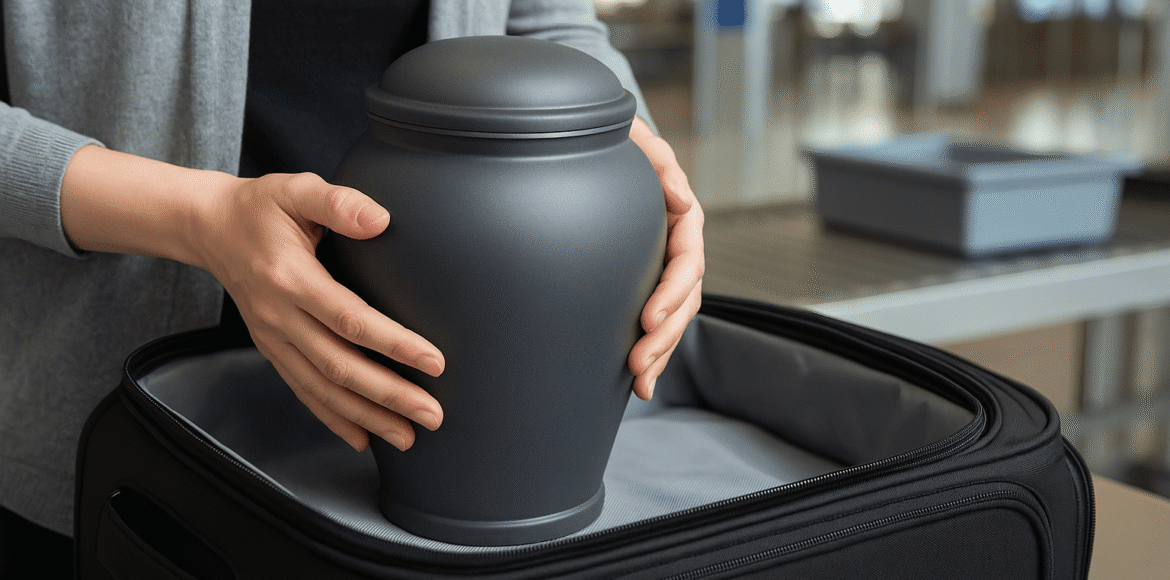
Traveling with Cremated Remains in 2026: A Compassionate Guide
Planning a trip while carrying the cremated remains of a loved one is a profoundly significant and often emotionally taxing experience. As we navigate the complexities of air travel in 2026, understanding the regulatory environment is essential to ensuring a journey that is both dignified and free of unnecessary administrative hurdles. The Transportation Security Administration (TSA) maintains specific, well-defined protocols for handling cremated remains, designed to strike a balance between rigorous security requirements and the inherent sensitivity of this situation. This guide provides a comprehensive, deep-dive overview of TSA rules, guidance on selecting appropriate urn materials, and a practical, step-by-step travel checklist to help you move through the airport with confidence, clarity, and peace of mind.
The most important takeaway for any traveler carrying ashes is this: TSA rules permit you to transport cremated remains in both your carry-on luggage and your checked luggage, provided the container can be successfully screened through the airport’s imaging systems. However, your airline’s internal policies may differ significantly from federal TSA regulations. Always prioritize checking with your specific airline at least one week before you arrive at the airport, as some carriers have specialized handling requirements for human remains that exceed general security rules.
💡 Tip: Because TSA officers will never open a cremation container—even at your request or with your permission—choosing a scannable material is the most critical decision you will make regarding your travel preparations. If an X-ray scan cannot clearly see through the container, it will not be allowed through the security checkpoint. By selecting the right vessel, you remove the possibility of a stressful encounter at the security line.
Understanding TSA Screening Protocols for Cremated Remains
In 2026, the TSA approach remains consistent with long-standing humanitarian practices. They recognize the profound emotional significance of the items in your possession. When you approach the security checkpoint, you are not required to place the urn in a plastic bin if it is fragile or if you prefer to hold it, though it must be processed through the X-ray machine. It is a common misconception that agents will open the container to perform a physical inspection; in reality, federal protocol strictly forbids this. The integrity of the vessel is preserved from start to finish, ensuring that your loved one’s remains stay undisturbed.
The operational challenge arises when the material of the container obscures the X-ray view. If a TSA officer cannot determine what is inside the urn due to the density, thickness, or composition of the material, they are forced to prohibit that container from proceeding past the checkpoint for security reasons. This is why material selection is the absolute cornerstone of a successful travel plan. Metal, heavy stone, leaded glass, and thick ceramics often trigger these technical issues, whereas lighter, more porous materials tend to pass through screening without incident.
The Importance of Scannable Materials
When selecting an urn for travel, think of it in terms of “x-ray transparency.” You want a material that allows security technology to function as intended. If you are planning to transport your loved one’s remains in a permanent urn, consider whether that urn is truly suitable for travel or if a temporary, transport-friendly vessel is a better option. You can learn more about how different materials react to transit in our comprehensive resource, The Complete Guide to Cremation Urns for Ashes, which outlines the structural integrity and security clearance success rates of various materials.
✅
Recommended Materials
Cardboard, wood, and most high-density plastics are generally the safest choices for air travel, as they are easily penetrated by X-ray imaging technology and lightweight enough to carry comfortably.
⚠️
Materials to Avoid
Solid marble, granite, heavy bronze, or leaded glass often result in opaque images on the monitor, which creates an automatic hurdle and may prevent your container from clearing security.
Carry-On vs. Checked Luggage: Making the Right Choice
Deciding whether to keep the remains in your carry-on or place them in checked luggage involves weighing security risks against airline policies. While the TSA allows both, they strongly recommend keeping remains in your carry-on luggage. This allows you to maintain personal custody of the vessel throughout the journey, protecting it from the rough handling often associated with baggage transport systems, which involves conveyor belts, drops, and stacking in a pressurized cargo hold.
However, you must be acutely aware of your specific airline’s rules. Some carriers have strict prohibitions against transporting human remains in checked baggage, or they may require specific paperwork if the remains are part of a larger shipment or exceed standard baggage dimensions. By choosing to carry the urn with you, you bypass the anxiety of lost or delayed luggage—a truly nightmare scenario when you are traveling for a funeral, a scattering ceremony, or an internment service where timing is critical.
If you absolutely must check the bag—perhaps because the urn is part of a larger, awkward package—ensure the container is packed in a crush-proof, double-walled shipping box, even if the urn is durable. The vibration and impact forces inside the cargo hold are significant during takeoff and landing. Always verify the airline’s specific policies on their website or by calling their customer service representative at least 48 hours before your departure date to ensure there are no last-minute changes to their cargo policy.
The Evolution of Cremation Practices in the 21st Century
To understand why travel protocols are so specific, it helps to look at the cultural shift toward cremation. Over the last two decades, cremation has become the preferred choice for millions of families due to its affordability, flexibility, and the ability it provides to honor loved ones in locations that hold personal meaning. In 2026, we see more families than ever before choosing to transport ashes to ancestral homelands, vacation spots, or locations where a deceased loved one felt most at peace.
This surge in mobility has forced the travel industry to standardize how they handle cremated remains. It is no longer an anomaly for security officers to see an urn in a carry-on bag. They are professionals who are trained to treat these items with the respect they deserve. Understanding that this is a common, documented procedure can help alleviate the nervous anticipation you might feel when approaching the security checkpoint. You are participating in a well-established tradition of honoring the deceased, and the regulations exist to facilitate that, not to obstruct it.
Pre-Travel Checklist: Before You Leave Home
Organization is your best defense against travel anxiety. Taking care of administrative details before you head to the airport ensures you have everything you need to communicate clearly with airline staff and security officers.
- Verify Airline Policy: Visit the official website of your airline and search for “transporting cremated remains.” Document their specific requirements, such as documentation needs or special check-in procedures.
- Documentation: While not technically required by the TSA, carry a copy of the death certificate and the cremation certificate. While these are not always asked for, having them can expedite communication if questions arise, particularly if you are stopped for questioning.
- Check International Rules: If flying internationally, the requirements shift entirely. Contact the consulate or embassy of your destination country well in advance. Some countries have stringent import laws regarding human remains that exceed TSA guidelines and may require diplomatic clearance.
- Choose a Temporary Container: If your permanent urn is made of heavy metal or stone, transfer the remains to a temporary, scannable vessel for the duration of the flight. Once you arrive at your destination, you can perform a dignified ceremony to transfer the remains into the permanent vessel.
- Packing: Use generous amounts of bubble wrap or soft packing materials to prevent the urn from shifting or sustaining surface damage, regardless of how you choose to transport it.
- Prepare a “Script”: It may sound unusual, but rehearsing what you will say to the security officer helps. Keeping it simple—”I am carrying cremated remains and would like to speak to someone about the screening process”—is the most effective way to begin the conversation.
The Airport Screening Experience: Step-by-Step
When you reach the security checkpoint, don’t feel the need to hide the fact that you are traveling with remains. In fact, being transparent with the security officer on duty is helpful. A calm, clear, and professional demeanor usually leads to a respectful interaction.
- Inform the Officer: Before placing your items on the belt, inform the TSA officer that you are carrying cremated remains in the container. This allows them to prepare and potentially steer you toward a lane where the officer is more experienced with special handling procedures.
- The X-Ray Process: Place the container in a bin to be scanned. If the officer expresses concern about the scan quality, remind them—politely—that the container is carrying cremated remains and cannot be opened under federal law.
- Secondary Screening: If the X-ray is inconclusive, the officer may suggest an alternative screening method (such as an explosive trace detection swab), but they will not open the container. Complying with these alternative measures is the fastest way to resolve the screening.
- Documentation Request: If you are traveling with a death certificate, keep it in an accessible folder. Do not offer it unless asked, but have it ready to provide peace of mind to the official.
Choosing the Right Vessel for Your Needs
At Dei Gratia Urns, we understand that an urn is more than just a container; it is a final resting place. However, if your chosen memorial piece is not suitable for air travel, you might consider our selection of temporary transport vessels. Many families find it comforting to place the remains in a travel-ready container for the flight and then transfer them into their chosen permanent urn upon arriving at their destination.
When selecting your urn, consider the weight and density. A beautiful ceramic urn might look stunning on a mantle, but its thick walls may create an opaque shadow on a TSA monitor. If you are still in the process of deciding on the perfect memorial for your loved one, our online urn buying guide can provide clarity on the balance between aesthetics and functionality. Consider factors like the locking mechanism—threaded screws, gasket seals, or slide-bottoms—all of which provide different levels of security for the contents.
Advanced Considerations: Travel for Scattering and Memorialization
Travelers often face additional challenges when their goal is to scatter ashes in a specific location. If you are traveling to a national park, a public beach, or a private venue, research the local laws regarding the scattering of human remains. While many places permit it, others require permits or have specific “no-go” zones to protect the environment.
If you are traveling with the intention of spreading ashes, bring a secondary small container to facilitate the process. Scattering can be a delicate, windy, and emotional event. Having a smaller, maneuverable container will prevent you from needing to handle a large or heavy primary urn while outdoors. Additionally, consider the logistics of the container’s disposal; ensure you have a plan for what to do with the temporary vessel once the ceremony is complete.
Frequently Asked Questions
Can I carry the remains in a glass urn?
Glass is generally fine, provided it is not overly thick or leaded, which can cause imaging issues. However, thin glass is fragile and risks breaking during the stresses of air travel. If you choose glass, ensure it is heavily padded and that you have a backup plan should the container fail during transit.
What if the TSA refuses to let the container pass?
If the container is deemed “unscannable,” you may have to decide whether to ship the remains via an alternative method (such as a funeral home courier service) or, in the worst-case scenario, leave the container behind. This is why testing a travel-friendly vessel is so important—it virtually eliminates this possibility.
Are there special rules for international travel?
Yes. International regulations vary drastically by country. Some countries require the remains to be in a sealed, official container, while others require specific permits from the health department or the consulate. Always consult the consulate of the country you are visiting at least 30 days before your trip.
Should I notify the airline in advance?
While not always strictly required, it is highly recommended. Some airlines provide specialized handling procedures for human remains, and being in their system as a passenger traveling with remains can simplify communication at the check-in counter and gate.
Is it legal to put remains in checked baggage?
Yes, as far as the TSA is concerned. However, check your specific airline’s policy in their “Special Items” section. Some airlines consider cremated remains a prohibited item in the cargo hold due to concerns about the structural stability of the container during high-altitude turbulence.
Final Next Steps for Your Journey
Traveling with the remains of a loved one is a final act of care and devotion. By focusing on scannable materials, verifying airline-specific policies, and carrying the necessary documentation, you can reduce the stress associated with the security process. Remember that the staff you encounter are professionals; while their protocols are rigid, they are accustomed to helping families transport remains every day.
If you have questions about specific containers or need help finding a travel-friendly vessel that aligns with your family’s needs, we are here to assist. Taking the time to prepare now will allow you to focus on the purpose of your trip, whether that is returning home or honoring your loved one in a place they cherished. The peace of mind you gain from adequate preparation is the greatest gift you can give yourself during this time of mourning.
Need Assistance Selecting an Urn?
Explore our collection of high-quality memorial vessels designed for both dignity and practicality. We provide expert advice on travel-ready materials.
Disclaimer: This article is intended for informational purposes only and does not constitute legal or professional travel advice. Regulations can change; please always consult official government sources, the Transportation Security Administration, and your specific airline carrier before departing for your journey.
Emotional Preparedness and the Importance of the Journey
As you plan your travel, it is natural to feel a sense of apprehension. The act of carrying someone who meant so much to you is a deeply personal experience. The transit process, however, is a procedural one. TSA officers are trained to handle these scenarios with dignity and patience. It is helpful to remember that they have seen this situation countless times; they are not looking for anything other than safety, and they have no interest in the contents of your urn beyond ensuring it does not pose a threat to the aircraft or other passengers.
When selecting your permanent urn, consider the environment where it will eventually rest. An urn that is meant for a columbarium or an outdoor niche may require different durability than one meant for a quiet spot on a library shelf. The weight of the urn, the seal, and the material composition are all factors that influence how well it will last through the years. If you are ever unsure about whether a piece you admire is suitable for the lifestyle you lead—including frequent travel—our team at Dei Gratia Urns is always available to offer guidance based on years of experience in the memorial industry.
Consider the logistics of the trip itself. Are you traveling by yourself, or will you have family with you? Having a designated “urn carrier” in your party can help keep the process focused. If you are traveling alone, give yourself extra time at the airport. Arriving early eliminates the need to rush through security, which can heighten your stress levels. Find a quiet corner of the terminal once you are through security to collect yourself, have a drink of water, and ensure the urn is comfortable and secure in your carry-on or personal item. Having a sense of control over your environment can drastically reduce the emotional weight of the day.
Communication is perhaps your most powerful tool. If you encounter a security agent who seems unsure of the protocol, you can gently mention that the TSA has a dedicated policy for cremated remains. You are well within your rights to ask for a supervisor if you feel your situation is not being handled according to the established guidelines. However, staying polite and firm almost always resolves any confusion that might arise at the checkpoint. Remember, they are people doing their jobs, and your calm demeanor helps them provide the service you need.
Another aspect to consider is the physical container itself. Many modern urns come with a base that is secured by screws. Over time, or due to the pressures and vibrations of air travel, these can loosen. Before you leave, check that any seals, screws, or closures are tight. You do not want the stress of wondering if the urn is secure while you are in the air. If the urn does not have a locking mechanism, a piece of archival-quality tape or a secure, non-permanent seal can provide extra peace of mind. A simple double-check before leaving home can save you from unnecessary anxiety.
Finally, remember that the most important part of this journey is not the logistics, but the intention. You are fulfilling a final request or taking a step toward healing. Keep your focus on the meaning of your trip. The airport is simply a transit point. Once you reach your destination, the stress of the travel will fade, and you will be able to dedicate your time to the service or the quiet moments of reflection that matter most to you and your family.
As we look forward to the trends in memorial services for 2026, we see a growing focus on personal, meaningful tributes. Whether you are traveling to spread ashes, to place them in a family tomb, or to bring them to a new home, we encourage you to prioritize peace and preparation. May your journey be smooth and your time spent with your loved one’s memory be gentle and restorative.
For those who are in the process of finalizing their memorial plans, remember that the choice of an urn is a lasting one. It is a piece that will hold a legacy. Don’t be afraid to take your time in selecting something that resonates with the personality and life of the person you are honoring. Our online guides and resource pages are designed to take the guesswork out of this process, helping you find a vessel that is not only beautiful but also capable of being a safe companion on your journey home. From elegant wood finishes to modern minimalist designs, there is an urn that fits both your emotional requirements and your travel needs.
As you move through this process, know that you are not alone. Thousands of people navigate air travel with cremated remains every year. By following these steps and preparing in advance, you ensure that you are ready for any situation. Travel safely and take care of yourself during this time of remembrance and reflection.
Navigating Regional and Cultural Differences in Memorial Transit
The experience of transporting remains can vary significantly depending on the destination. In North America and many parts of Europe, there is a clear, standard protocol for the transport of ashes. However, when traveling to regions where cultural or religious customs surrounding death are more rigid, you may encounter different expectations. It is vital to research the funeral customs of your destination. For example, some regions may require that the remains be kept in a specific type of container or even accompanied by local notarized documents, even if they aren’t strictly required by your home airport.
Case studies of families traveling to Japan or parts of Southeast Asia, for instance, have shown that having documents translated into the local language can be an immense help. Even if the authorities speak English, showing that you have gone the extra step to comply with local protocols demonstrates deep respect for the customs of the destination country. This extra layer of preparation can smooth over potential friction at customs and immigration points.
Additionally, consider the local climate at your destination. If you are traveling to a humid or tropical environment, ensure your urn’s seal is airtight. Humidity can affect certain materials over time, especially if the urn is porous. A high-quality sealant or a protective travel bag can serve a dual purpose: protecting the urn from the elements and protecting the vessel from scratches or dents during the trip.
The History and Meaning of Cremation
Understanding the history of cremation can help bring a sense of perspective to your journey. Cremation has been practiced by various cultures for millennia, dating back to ancient times when it was often used as a way to return the body to the elements—fire, air, and earth. In the modern era, the practice has been refined, allowing for the dignified collection of remains that can be kept close to the family. When you carry the ashes of a loved one, you are participating in a tradition that spans human history.
This perspective can change the way you view the airport security experience. Rather than seeing it as an ordeal, you can view it as a final hurdle in the process of returning your loved one to a place of rest or a place that was significant to their life. This reframing can help turn a stressful moment into a meditative one. You are the steward of their journey, and your careful preparation is a testament to the love and respect you hold for their legacy.
As you reflect on their life during the flight, consider what they would have appreciated about the journey. Perhaps they would have laughed at the absurdity of TSA regulations, or perhaps they would have been touched by the lengths you are going to in order to ensure they arrive safely. These thoughts can provide comfort during the travel day. You are not just moving a container; you are moving a lifetime of memories, stories, and affection.
Final Recommendations for the “Traveler-Steward”
To conclude, the most successful journeys are those planned with both the heart and the head. Spend time researching the specific terminal maps of your departure and arrival airports. Knowing where the restrooms, quiet zones, and family assistance areas are located can help you manage your stress. If you are feeling overwhelmed, do not hesitate to reach out to airline staff for assistance—they are generally very accommodating to those traveling with funeral-related items.
Carry your documentation in a clear, labeled folder. Have a secondary plan for all your logistics. If you find yourself in a situation that feels uncomfortable, step back, take a breath, and focus on the purpose of your trip. The administrative hurdles of the 21st century are simply noise; the core of your mission is the respect and love you are showing to your loved one.
As you embark on this final tribute, remember that you are doing something beautiful. You are ensuring that your loved one is in the place where they need to be, and you are doing so with dignity and grace. Whether you are traveling across the state or across the ocean, the steps you have taken to prepare will ensure that the journey is as smooth and meaningful as possible. Travel well, travel safely, and honor the memory that is now in your care.
For further resources, including templates for letters to airlines or checklists for specific international destinations, feel free to visit our expanded resource library at Dei Gratia Urns. We are committed to supporting families at every stage of the memorial process, from the first moment of loss to the final placement of the ashes. Your peace of mind is our priority, and we are honored to play a small part in your journey of remembrance.
As we move through 2026, technology and policy will continue to evolve, but the core necessity—honoring those who have passed—will remain constant. By staying informed and prepared, you continue to uphold that sacred duty. We hope this guide has provided you with the clarity needed to navigate your travels, and we wish you a safe and peaceful journey as you fulfill this final promise.
