
- Your cart is empty Browse Shop
7 Surprising Reasons We Keep Trinkets in Urns Even After Cremation Ends

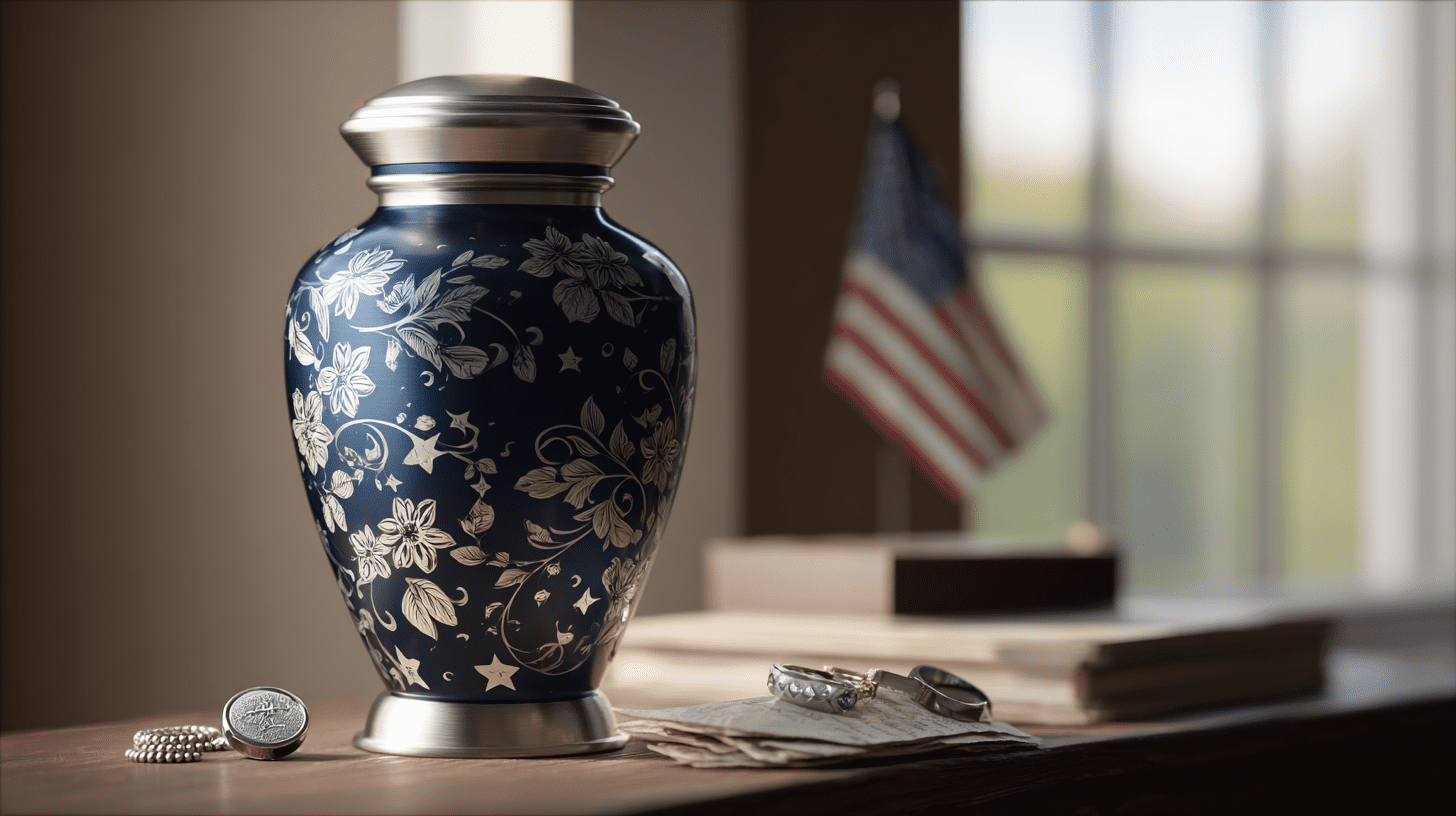
In the quiet of grief, even a tiny button, a rock, or an old movie stub can whisper memories too big for words. While urns for ashes have been symbols of remembrance for centuries, it’s the small things — trinkets, tokens, and keepsakes — that often carry the deepest emotions.
Table of Contents
These seemingly trivial objects may not hold any monetary value, but their emotional worth is immeasurable. At Dei Gratia Urns, we’ve seen firsthand how people turn to these small keepsakes — alongside traditional cremation urns — as anchors of memory, love, and connection.
1. Why Do Humans Keep Trinkets in Urns?
Throughout human history, the impulse to preserve memory through physical tokens has always existed. Archaeologists have unearthed clay dolls and carved stones in ancient burial sites, unsure if they were toys, tools, or — most likely — keepsakes.
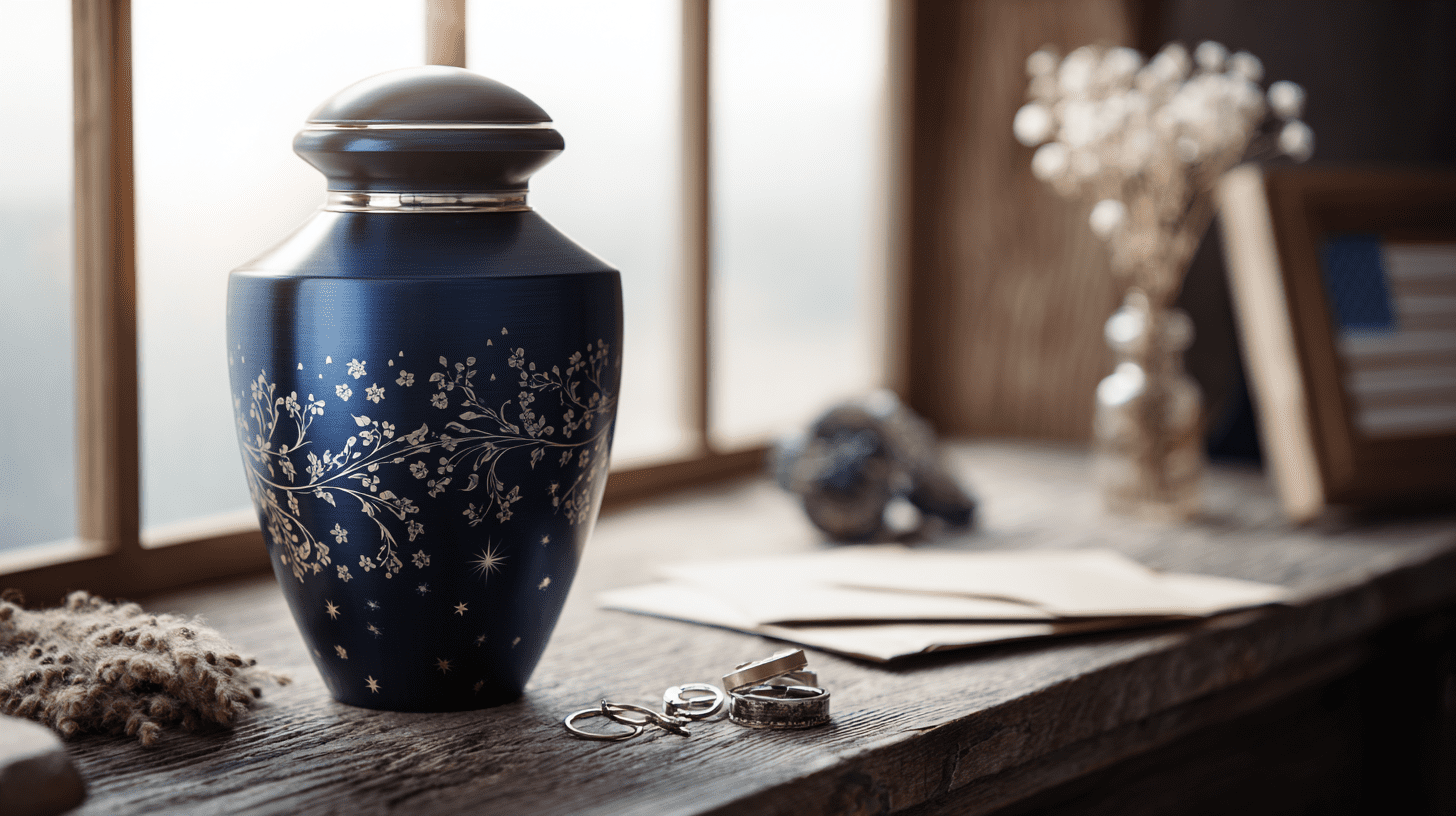
In our modern world, placing a lock of hair, handwritten note, or wedding ring inside keepsake urns is more than ritual. It’s personal. It’s healing.
2. Queen Victoria’s Mourning Sparked a Trend of Keepsake Culture
The keepsake culture as we know it surged in 1861 when Queen Victoria lost her beloved Prince Albert. Her grief became a lifelong affair — she wore mourning jewelry, dressed in black, and inspired an entire generation of women to do the same.
From lockets containing hair to black onyx rings, the Queen’s grief became a trend that shaped how people around the world remembered their dead. In many ways, her mourning customs paved the way for today’s cremation jewelry and mini urns.
3. Memory Cues: The Brain’s Way of Holding On
Memory is not locked in objects — but certain objects unlock memory.
Psychologists call these memory cues. A smell, a sound, a texture — or even a brass cremation urn — can ignite a flood of emotion and imagery in the mind.
Studies in both Europe and the United States revealed that if a house caught fire, most people wouldn’t grab money or electronics. They’d save one sentimental object: a childhood toy, a piece of jewelry, or a photo.
Why?
Because these are memory triggers — touchstones to a life, a moment, a relationship that mattered.
4. Why Urns Are the Ultimate Keepsake Vessels
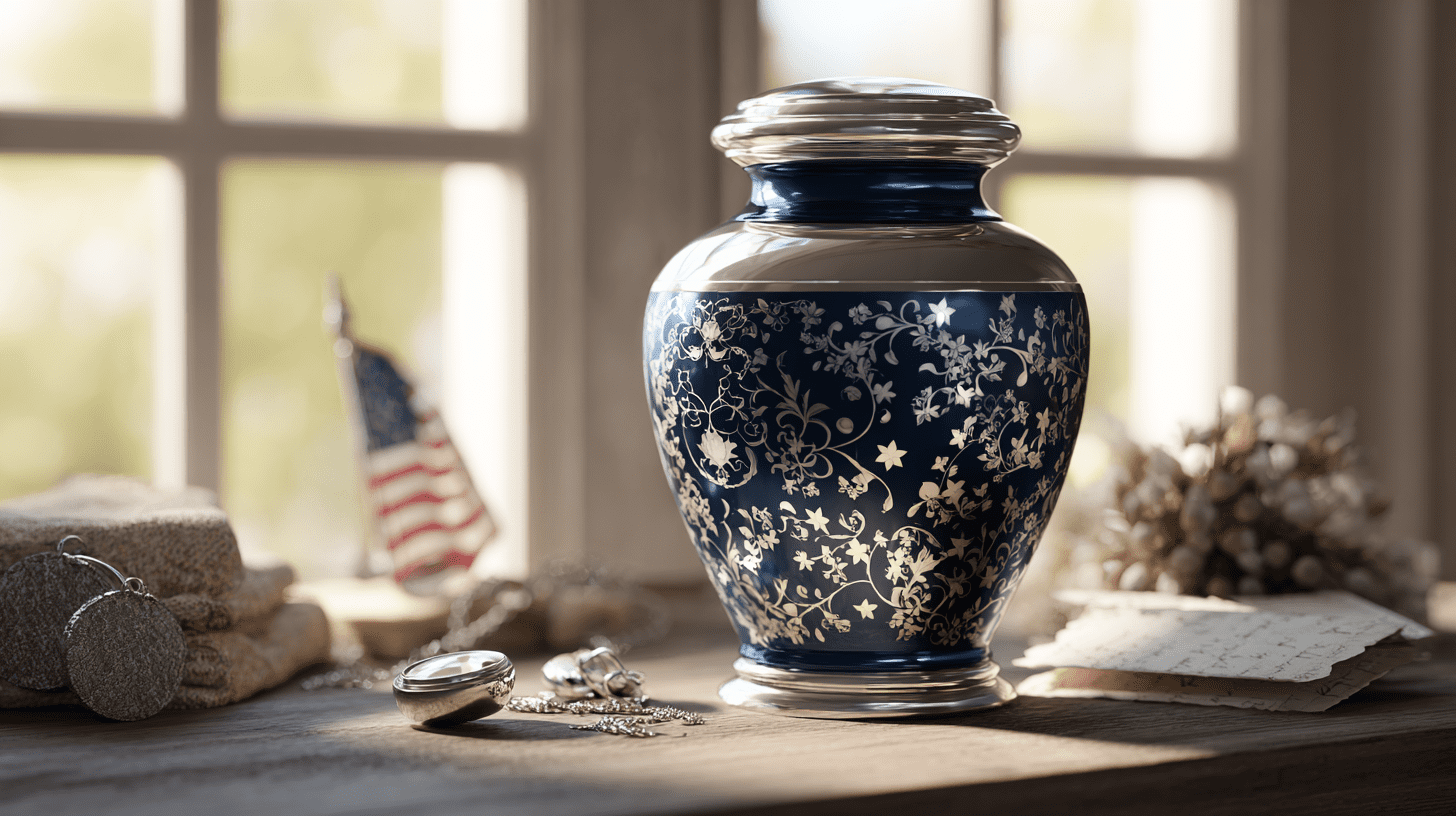
A modern urn does more than just hold ashes. It’s a sacred space where one can store keepsakes, such as:
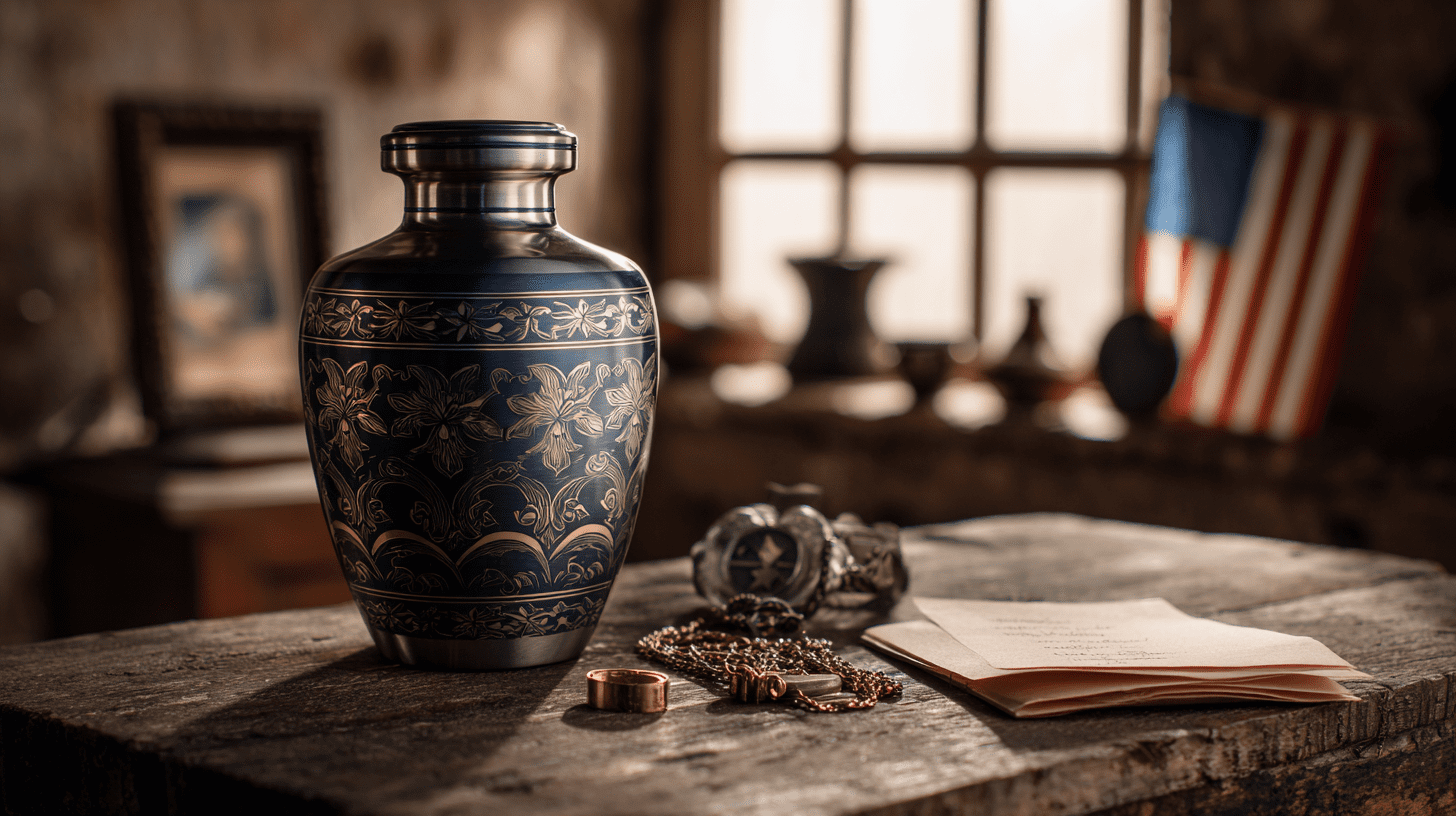
- A folded flag for a military veteran
- A child’s drawing for a lost parent
- A beloved pet’s collar beside their cremated remains
- A piece of lace from a wedding dress
These aren’t just “items.” They’re pieces of identity and memory. At Dei Gratia Urns, we design each urn knowing that it may cradle both ashes and emotion.
5. From Trinkets to Legacy: What Items Truly Matter?
We live in a world of digital photos and cloud storage. But when it comes to grief, people often reach for tangible things. Why?
Because real-world objects are more powerful than a screen when it comes to memory retrieval. According to recent research, physical objects can stimulate stronger emotional responses than digital images. The weight of a pocket watch, the smell of a scarf, or the scratch on a wedding ring brings memories alive like nothing else.
This is why cremation urns for ashes often include:
- Personalized engraved plates
- Custom compartments for keepsakes
- Designs that mirror the personality of the departed
6. “It’s Just a Rock” — But It Was from Our Last Beach Walk
Have you ever picked up a stone, tucked it into your pocket, and forgotten it — only to later hold it in your hand and relive a beautiful day?
It’s never just a rock.
It’s a piece of your story.
Whether it’s a restaurant receipt from your first date, a hotel keycard from your honeymoon, or your mom’s old perfume bottle, these items find their way into boxes, drawers, and yes — even urns.
At Dei Gratia Urns, we’ve seen families include:
- A faded letter
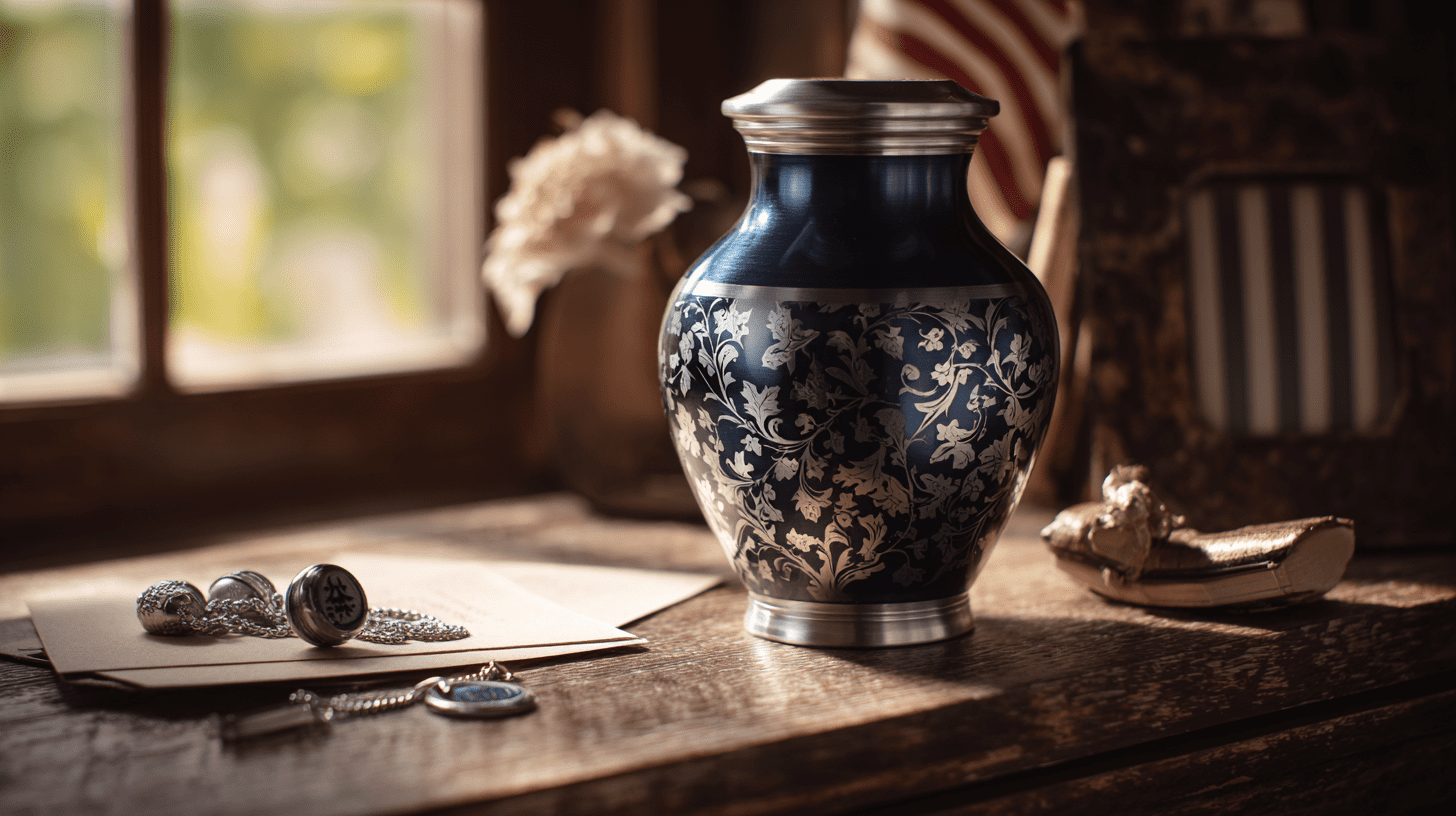
- A charm bracelet
- A mini Polaroid
- A dog’s tag
These objects aren’t meant to impress anyone else. They are deeply personal. They’re soul things.
7. The Healing Power of Keepsake Urns
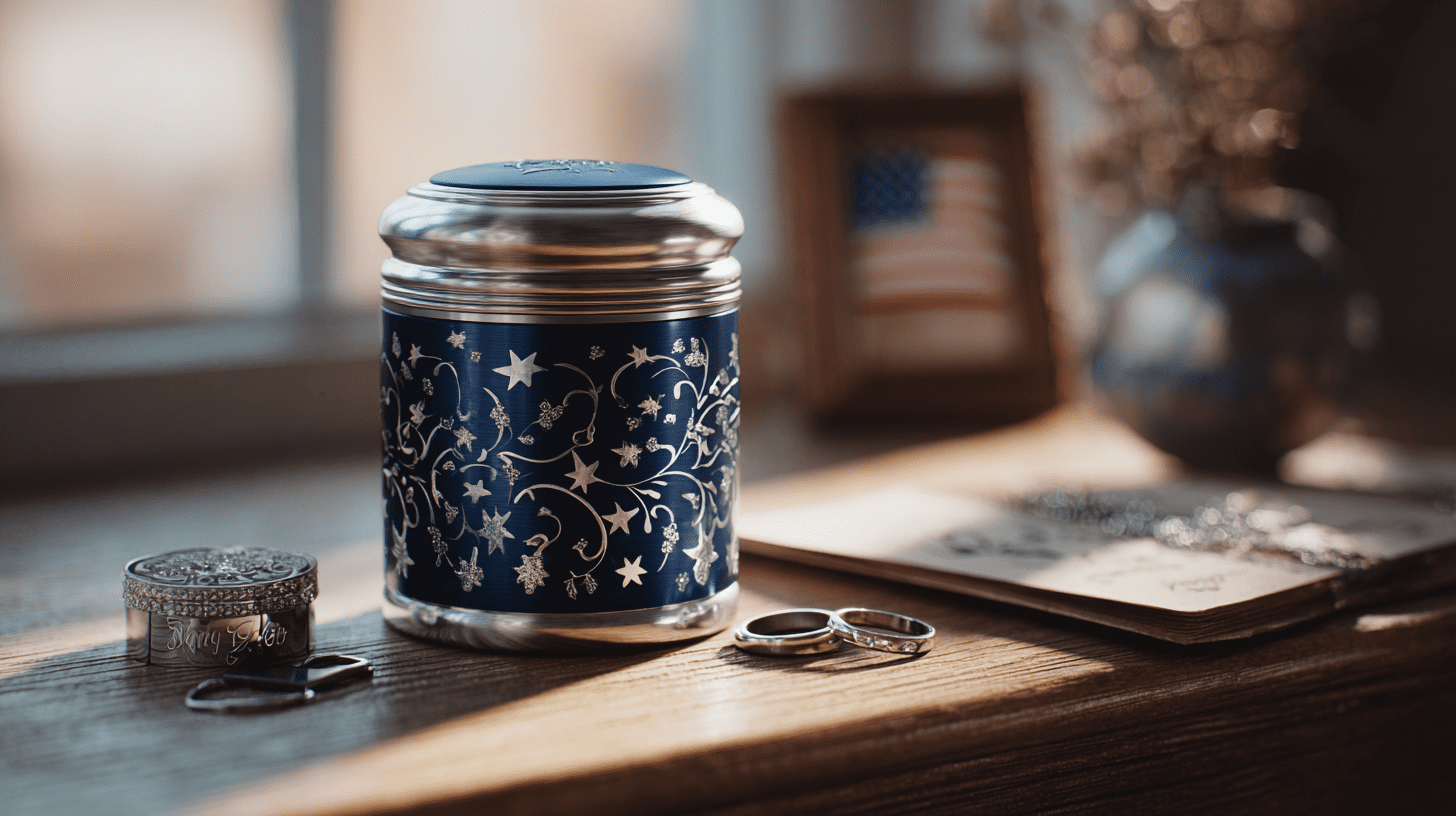
A keepsake urn is a smaller, often hand-held urn that holds a portion of the ashes — or simply a symbolic object. Many families choose to distribute these among relatives so each can keep a piece of the loved one close.
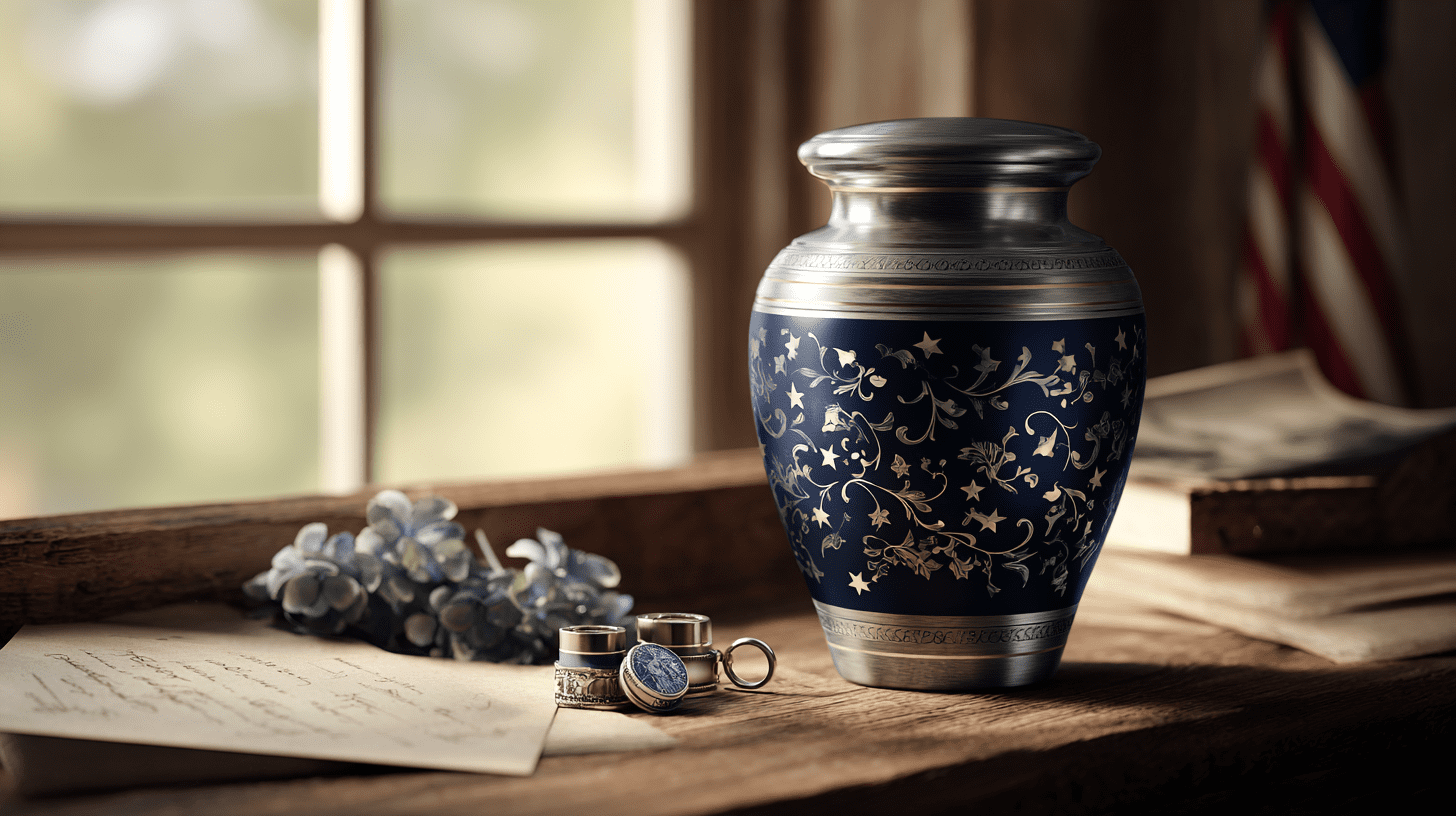
Others place them on a mantle or shelf, accompanied by small items that speak to the life that once was. These cremation urns provide comfort. They’re silent reminders that love doesn’t end when life does.
Final Thoughts: Memory Lives in You — But Objects Help It Speak
The urns, the trinkets, the small things we keep — they matter. Not because they hold the person, but because they help us hold on to the love.
At Dei Gratia Urns, we believe in dignity, grace, and honoring stories. If a seashell, a tassel, or a ticket stub helps you remember — then that item belongs right next to the urn.
Because memory isn’t in the object. It’s in your heart.
But sometimes… the object helps you find your way back there.