
7 Surprising Ways Urns, Cremation, and Ashes Have Evolved in Modern Times

In the quiet corners of funeral homes, on serene mantelpieces, and now even in biodegradable gardens, urns, cremation, and ashes have begun to tell a new story—one that’s both emotional and unexpected. For centuries, urns symbolized a final resting place, yet in today’s world, they are slowly becoming symbols of love, legacy, sustainability, and art.
But here’s what many don’t see: there was a time when the concept of cremation and the use of urns was on the decline. Societies leaned heavily toward burial, and urns were often relegated to the past. What caused this shift? And why are we seeing a growing revival now?
This isn’t just about objects that hold ashes. It’s about how people grieve, how they honor, and how they heal—something Dei Gratia Urns understands deeply.
Let’s journey through 7 powerful, deeply human reasons why urns, cremation, and ashes are more relevant than ever before—and why their revival tells us more about the living than the dead.
1. The Fall: How Industrialization and Religion Diminished the Popularity of Urns and Cremation
During the 19th and early 20th centuries, Western cultures saw a dramatic decline in cremation practices. As Christianity—particularly Catholicism—gained global traction, burial became the preferred method of interment. Cremation was often deemed sacrilegious, even taboo.
In fact, The Catholic Church forbade cremation until 1963, citing that it denied the resurrection of the body, a core doctrine. The rise of industrialization further distanced families from traditional spiritual rituals. Death, once intimate, became commercialized, with funeral parlors taking the place of home wakes.
But the urn, a vessel once revered in Ancient Greece and Rome, started to fade from view—until society’s values shifted again.
“We began to understand that honoring the dead didn’t have to look the same for everyone,” says grief counselor and death educator Megan Devine, author of It’s OK That You’re Not OK.

2. The Rise: Environmental Awareness Rekindles Interest in Cremation and Biodegradable Urns
As climate change became a pressing concern, eco-conscious families began questioning the environmental cost of burials. Traditional burials involve chemicals, caskets, and land space—none of which align with a sustainable lifestyle.
According to the National Funeral Directors Association, over 60% of Americans now prefer cremation over burial—a number that has steadily risen for the past two decades. With this shift came renewed interest in biodegradable urns, tree pods, and aqua cremation methods.
Brands like Dei Gratia Urns have leaned into this movement by offering eco-friendly urns that naturally decompose, leaving behind no trace but a legacy.

3. The Art Revival: Urns Are No Longer Just Containers—They’re Expressions of Identity
The word “urn” might still conjure up an image of a cold, metallic jar in a dark funeral home—but that couldn’t be further from today’s reality.
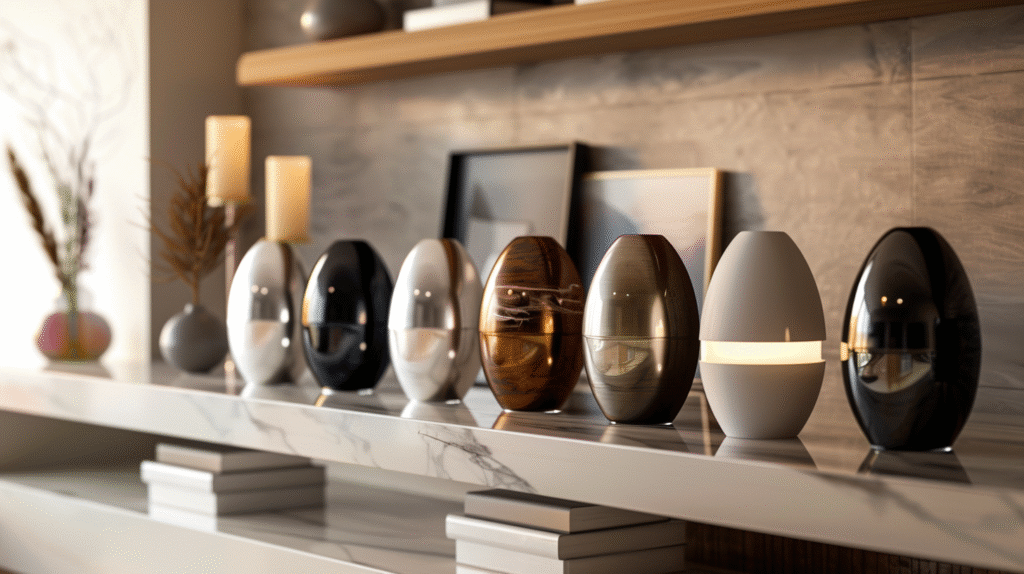
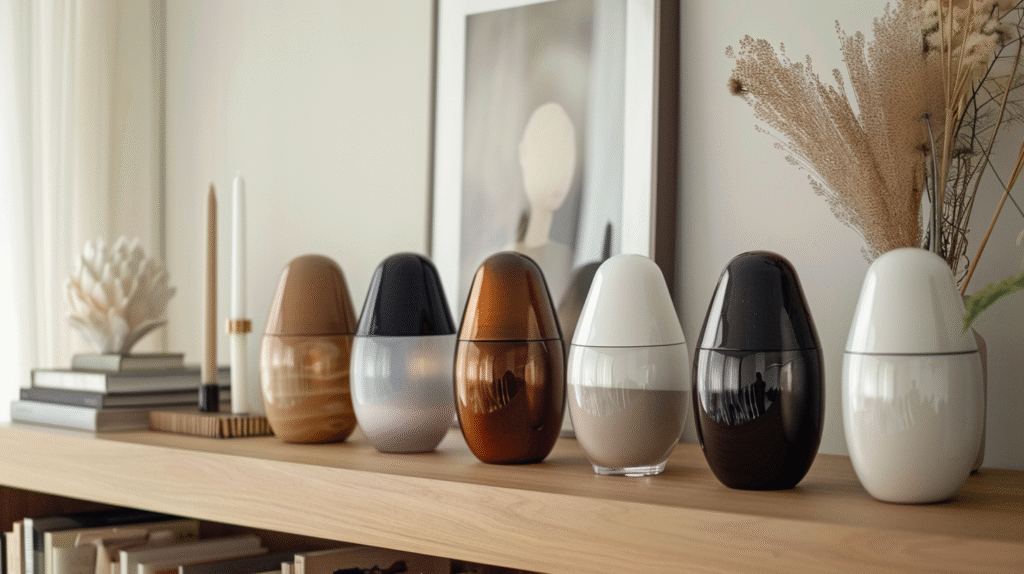
Modern urns come in stone, wood, ceramic, brass, glass, and even recycled paper. Artists have begun crafting urns with personal symbolism—birds, trees, waves, and even portraits. In many cases, families commission custom urns to reflect the personality of the one who passed.
This return to individualized remembrance can be traced back to historical urns like the Etruscan cinerary urns, known for their intricate detail and personalization. The modern echo of this tradition reflects something universal: a desire to say, “This person mattered. Their memory deserves beauty.”

4. Digital Grief and Memorials: How Ashes Are Becoming a Portal to Online Legacy
It’s 2025—and it’s now common for someone’s urn to sit on a shelf next to an Alexa, while their memorial page lives online.
The digital age has not only changed how we live but also how we remember. Families now scan QR codes engraved on urns that lead to online tributes, photo albums, or even personal audio messages from the deceased.
Tech companies like Eterneva even create diamonds from ashes, while platforms like Remembering.Live offer livestream memorials and digital guestbooks. The urn is no longer a silent vessel—it is a gateway to memory, accessible anywhere.

5. The Healing Shift: How Keepsake Urns Are Helping Families Cope with Loss Differently
There’s a deeply emotional reason behind the surge in keepsake urns—tiny urns that hold just a portion of a loved one’s ashes. For families scattered across the globe, they’ve become a way to stay connected through grief.
“I couldn’t take my father’s whole urn across the country,” shares Julie Thompson, a writer based in Oregon. “But a small ceramic keepsake shaped like a hummingbird now sits by my window. It’s helped me heal in ways I didn’t expect.”
These keepsakes, often in the shape of hearts, wings, or flowers, allow each family member to participate in remembrance, not just one. It’s a democratization of grief, making the act of mourning more communal, not isolated.
6. Cultural Adaptation: How Globalization Changed the Conversation on Cremation and Ashes
Today, America is a mosaic of cultures—and that’s influencing how ashes are viewed and honored.
In Hinduism, cremation is the primary rite, with ashes scattered in sacred rivers like the Ganges. In Japan, families store ashes in butsudan (home altars) before interring them. Meanwhile, some African and Native American communities still use earth-based rituals.
Globalization has allowed these practices to blend and co-exist in multicultural cities. Funeral homes now offer multi-faith cremation services, while urn makers like Dei Gratia Urns design with cross-cultural symbolism in mind—lotus, feathers, trees of life, doves.
It’s a reminder: there’s no one way to grieve. And urns are adapting accordingly.

7. Love Beyond Death: How Ashes Are Becoming Part of Living Memorials
Perhaps the most profound evolution is this: urns and ashes are no longer about death. They’re about continued presence.
Families now place memorial urns in home gardens, turn ashes into coral reefs, or encase them in glass sculptures kept in sunlit spaces. Ash-infused tattoos, vinyl records, and even fireworks have made headlines.
One of the most touching trends? “Sharing the ashes” ceremonies—where ashes are divided among siblings or friends, each creating their own unique tribute.
The urn, once buried and forgotten, now sits in the living room, near the photos and birthday cards. It’s part of life again.
“Grief isn’t a moment. It’s a lifelong conversation,” writes Dr. Joanne Cacciatore, founder of the MISS Foundation. “And memorials are how we keep speaking love into the silence.”
Final Reflection: What This Means for Us, and for Dei Gratia Urns
At Dei Gratia Urns, we’ve watched this transformation unfold—not from the sidelines, but hand in hand with families.
This isn’t just about sales or styles. It’s about knowing that a widowed wife in Idaho, a son in Atlanta, or a grandmother in Brooklyn found something meaningful in a brass urn, a wooden heart, or a hand-blown keepsake.
Urns, cremation, and ashes are no longer just terms in an obituary. They are deeply woven into our stories, and into how we keep love alive.
As we stand at the intersection of tradition and transformation, one truth becomes beautifully clear:
Love never dies. And now, neither does remembrance.