
Cremation Urn Trends 2026: Eco-Friendly, Personalized, and Modern Ways to Honor a Loved One
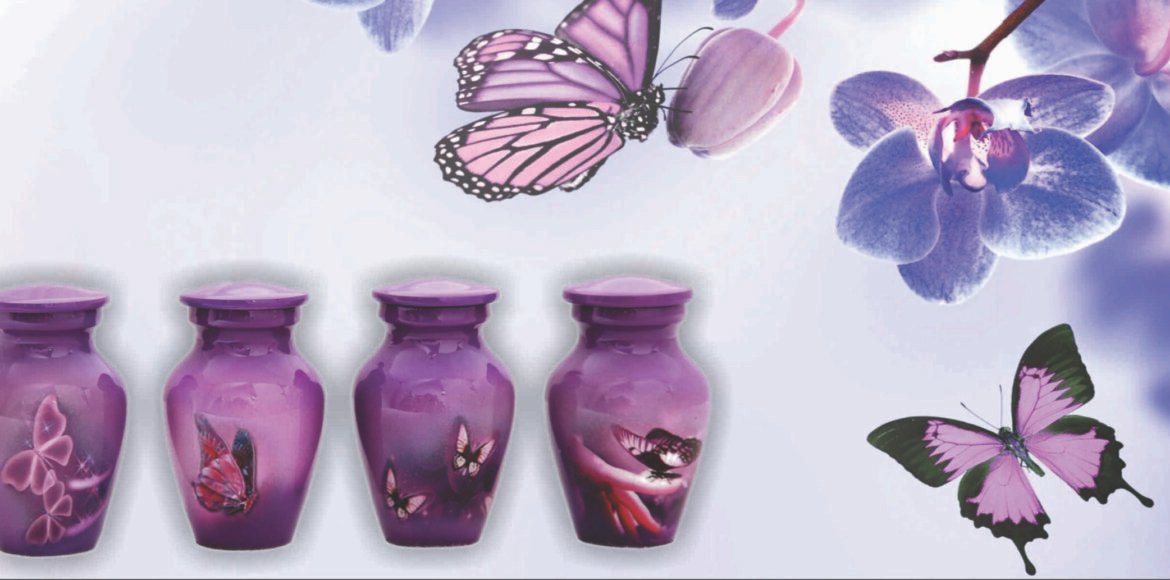
Choosing a cremation urn is one of the most personal decisions a family makes while grieving. It’s not just a container — it’s a lasting tribute to someone’s life, personality, and legacy. As we move through 2026, the way people choose to memorialize their loved ones is changing. Traditional brass and marble urns still hold their place, but more families are now looking for options that reflect individuality, sustainability, and emotional connection.
At Dei Gratia Urns, we’ve seen this shift firsthand. Here’s a look at the biggest cremation urn trends shaping 2026 — and how to choose the one that feels right for your family.
1. Eco-Friendly and Biodegradable Urns Are Leading the Way
Sustainability has become a major part of end-of-life planning. Families are increasingly choosing biodegradable urns made from materials like:
- Bamboo and sustainable wood
- Recycled paper and salt
- Natural clay and sand
- Plant-based bioplastics
These urns are designed for scattering ceremonies, water burials, or tree-planting memorials, where the urn naturally dissolves over time. This trend reflects a broader cultural move toward eco-conscious living — even in how we say goodbye. If your family values environmental responsibility, a biodegradable urn allows your loved one’s memory to return to nature in a meaningful, gentle way.
2. Personalized and Custom-Engraved Urns
Generic urns are quickly becoming a thing of the past. In 2026, personalization is at the heart of urn selection. Families want urns that tell a story — whether that means:
- Custom engravings with names, dates, or meaningful quotes
- Photo-etched or laser-engraved portraits
- Urns designed around hobbies (sports, music, nature, travel)
- Color and finish choices that match the person’s personality
Personalized urns turn a memorial into a true celebration of someone’s individuality, rather than a standardized farewell. Many families now treat the urn as a piece of art displayed at home, which makes customization even more important.
3. Keepsake and Sharing Urns for Multiple Family Members
Grief is rarely experienced by just one person, and many families no longer want to divide ashes informally or store everything in a single large urn. Keepsake urns — small urns that hold a portion of ashes — are growing in popularity because they allow:
- Siblings or children to each keep a memorial piece at home
- A portion of ashes to travel with different family members
- A small urn to remain at home while the majority rest in a columbarium or are scattered
This trend supports the idea that memory and connection shouldn’t be limited to one location.
4. Modern, Minimalist Urn Designs
Interior design trends are influencing urn choices too. Instead of ornate, traditional shapes, many families in 2026 are opting for clean-lined, minimalist urns that blend naturally into home décor. Popular finishes include:
- Matte ceramics in neutral tones
- Brushed metal with simple geometric shapes
- Wood urns with a Scandinavian-inspired design
This shift reflects a desire to keep memorial pieces present in daily life — not tucked away, but displayed with the same care as any cherished object in the home.
5. Urn Jewelry and Memorial Keepsakes
A growing number of families are pairing traditional urns with memorial jewelry — small pendants, bracelets, or lockets that hold a tiny amount of ashes or hair. This trend allows loved ones to carry a physical connection with them daily, offering comfort during everyday moments, not just at the gravesite or mantel.
6. Pet Cremation Urns Are on the Rise
Pets are family too, and 2026 has seen a significant increase in demand for pet-specific cremation urns. From engraved paw-print designs to small keepsake boxes, families are seeking the same level of thoughtful personalization for pets as they do for human loved ones.
How to Choose the Right Cremation Urn for Your Family
With so many options available, selecting an urn can feel overwhelming. Here are a few simple questions to guide your decision:
- Where will the urn be kept? At home, in a columbarium, buried, or scattered — this affects material choice.
- Do you want to divide the ashes? If so, consider a set of keepsake urns alongside a primary urn.
- What material feels meaningful? Wood and biodegradable materials feel natural and warm; metal and marble feel timeless and formal.
- Should it be personalized? Engravings and custom designs can make the urn feel like a true tribute rather than a generic vessel.
Final Thoughts
Cremation urns in 2026 are about more than function — they’re about honoring individuality, sustainability, and connection. Whether you’re drawn to a biodegradable urn for a nature scattering ceremony, a personalized keepsake to display at home, or a set of shareable urns for the whole family, the right choice is the one that feels true to your loved one’s story.
At Dei Gratia Urns, we offer a thoughtfully curated collection of cremation urns — from eco-friendly and biodegradable designs to fully customized, hand-finished pieces — created to help families find comfort, beauty, and meaning during a difficult time.
Frequently Asked Questions
What is the most popular type of cremation urn in 2026? Personalized and eco-friendly urns are currently the most popular choices, as families increasingly want memorials that reflect the individual’s personality and values.
Are biodegradable urns safe for water scattering ceremonies? Yes, biodegradable urns are specifically designed to dissolve safely in water or soil, making them ideal for eco-friendly scattering ceremonies.
Can I split ashes into multiple urns? Yes. Many families use one primary urn along with several smaller keepsake urns so multiple family members can each keep a personal memorial.
What materials are cremation urns made from? Common materials include wood, brass, marble, ceramic, biodegradable paper or salt, and bioplastics — each offering a different look, feel, and purpose.