
- Your cart is empty Browse Shop
7 Surprising Ways Urns and Cremation Jewelry Support Self-Care and Healing After Loss

In our fast-paced world, self-care often takes a back seat to deadlines, obligations, and digital distractions. But what happens when grief knocks on the door? When we lose someone we love, the emotional impact is not just mental — it manifests physically, spiritually, and socially. Surprisingly, something as simple and sacred as a cremation urn or a piece of cremation jewelry can become the cornerstone of recovery. At Dei Gratia Urns, we’ve seen firsthand how memorial rituals can evolve into daily practices of compassion, remembrance, and emotional well-being.
Table of Contents
1. Urns and Cremation Jewelry as Anchors of Emotional Wellness
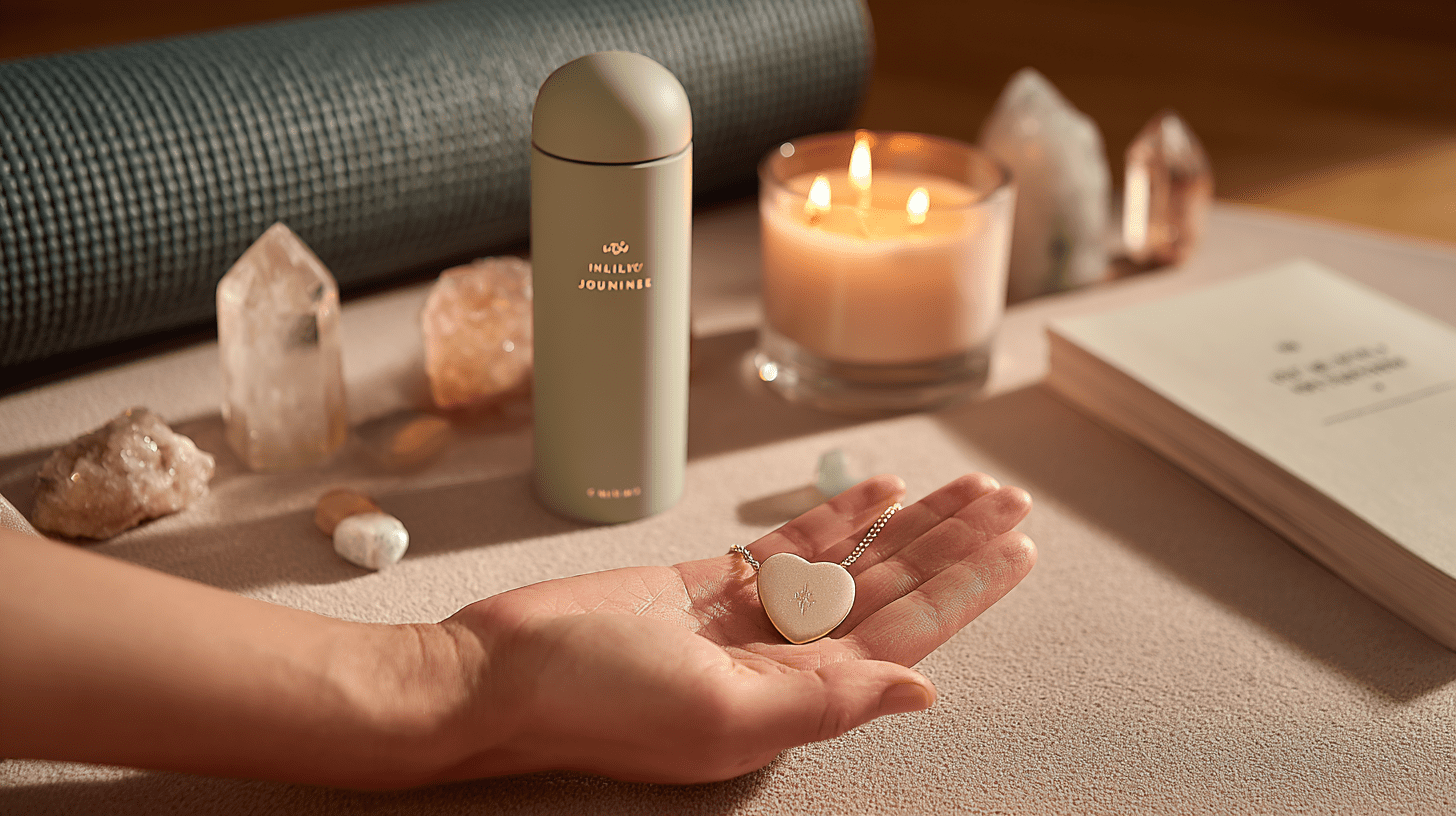
Grief isn’t linear. It comes in waves — sometimes soft, sometimes overwhelming. According to the American Psychological Association, processing grief healthily can be supported through tactile reminders of those we’ve lost. A well-chosen cremation urn holding a loved one’s ashes, or wearing a subtle cremation pendant, helps ground you in their memory without losing yourself in the pain.
Staff picks

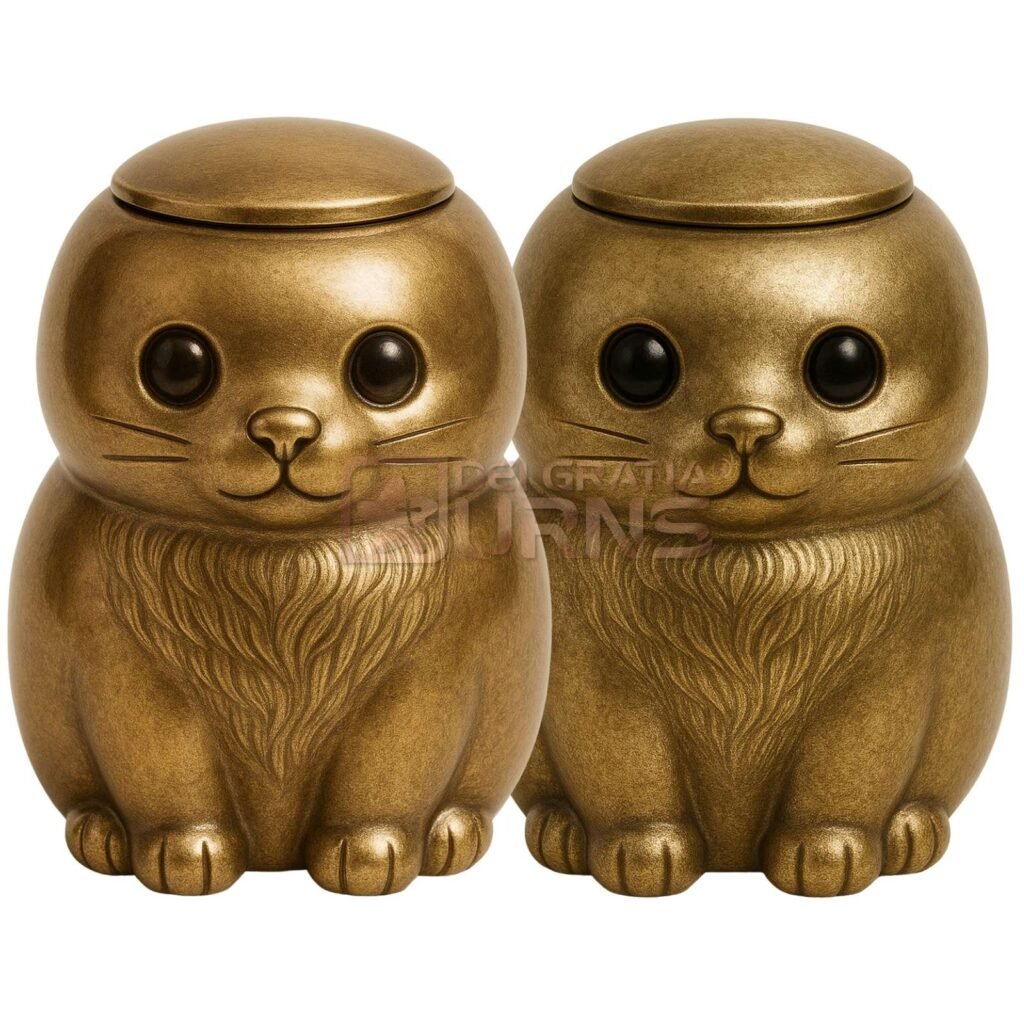
Antique Gold Cat Cremation Urn for Ashes
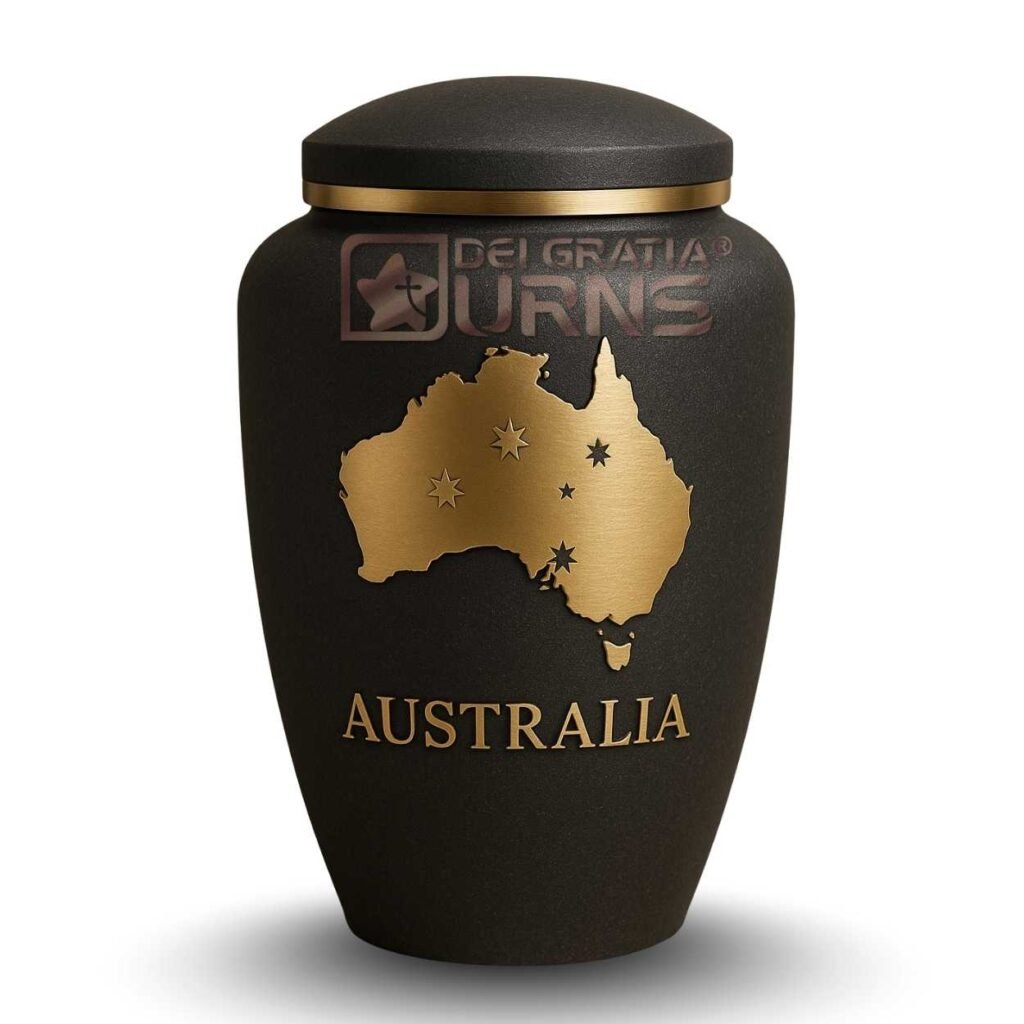
Add to cart Add to Cart$0.00Australia Map Memorial Urn for Ashes – Black & Gold Metal Cremation Urn
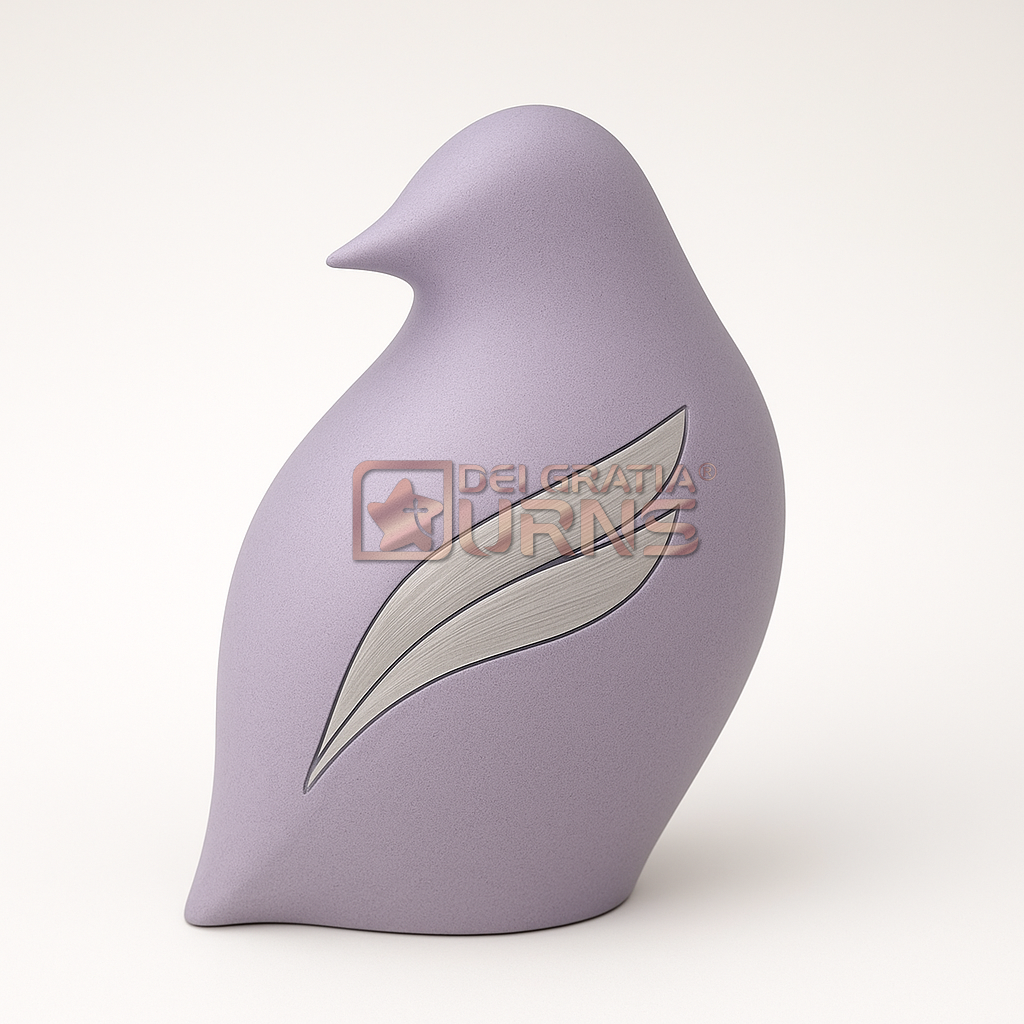
Add to cart Add to Cart$0.00Aviara Lavender Minimalist Bird Cremation Urn
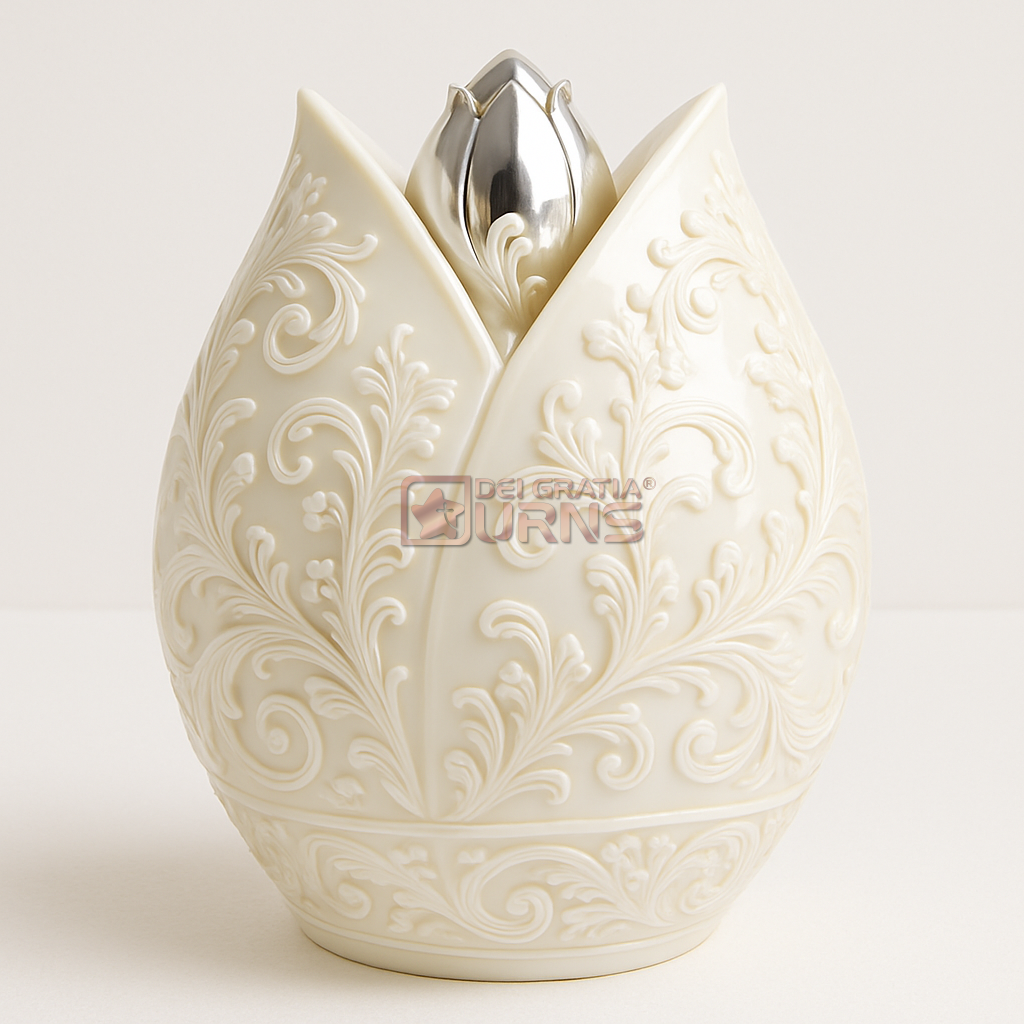
Add to cart Add to Cart$0.00Bianca White & Silver Tulip Designer Cremation Urn
Add to cart Add to Cart$0.00
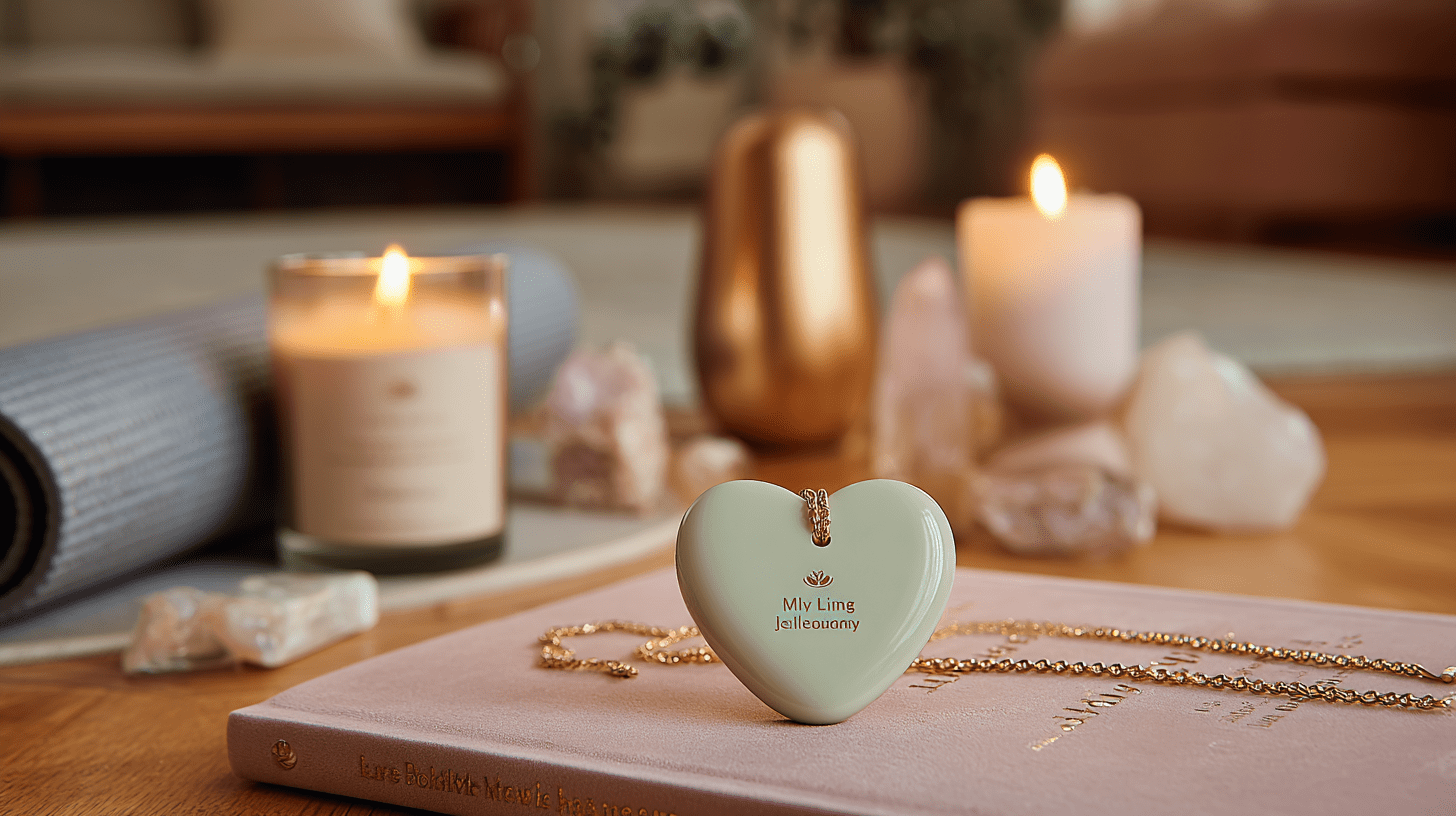
For instance, a Tree of Life pendant necklace can become more than jewelry — it’s a daily self-care ritual, a moment of reflection, and a source of quiet strength.
2. Grief and Self-Care: The Untold Connection
“Self-care is not indulgence; it’s survival,” said Audre Lorde. The hardest time to care for ourselves is when we’re grieving. But ironically, that’s when we need it most. Practices like journaling, talking to a therapist, or even sitting silently beside a cremation urn help acknowledge emotions without bottling them up.
National Institute of Mental Health (NIMH) research supports this: acknowledging grief reduces the chances of long-term depression and anxiety. Holding space for your loss is a profound act of self-respect.
3. Memorializing With Purpose Boosts Mental Health
Choosing a cremation urn is more than a purchase; it’s a decision rooted in love. Whether it’s a handcrafted marble urn or a biodegradable urn meant for scattering, selecting something beautiful and meaningful transforms pain into purpose. At Dei Gratia Urns, we encourage families to select urns that reflect their loved one’s personality — because remembering someone as they were helps heal the heart.
Studies by the University of Rochester suggest that personalization in memorial practices can promote psychological resilience and deepen the healing process.
4. Cremation Jewelry: Closeness in the Smallest Things
A cremation bracelet or pendant allows people to carry a loved one’s ashes wherever they go. This is not just symbolic — it’s neurological. Neuroscience tells us that tactile sensations, especially from sentimental items, trigger dopamine and oxytocin, the “feel-good” brain chemicals. This explains why cremation jewelry becomes an everyday self-care tool for many.
Take for example the Angel Wings Cremation Locket, a bestseller that continues to offer both style and solace. It whispers, “You’re not alone.”
5. Rituals Make You Resilient
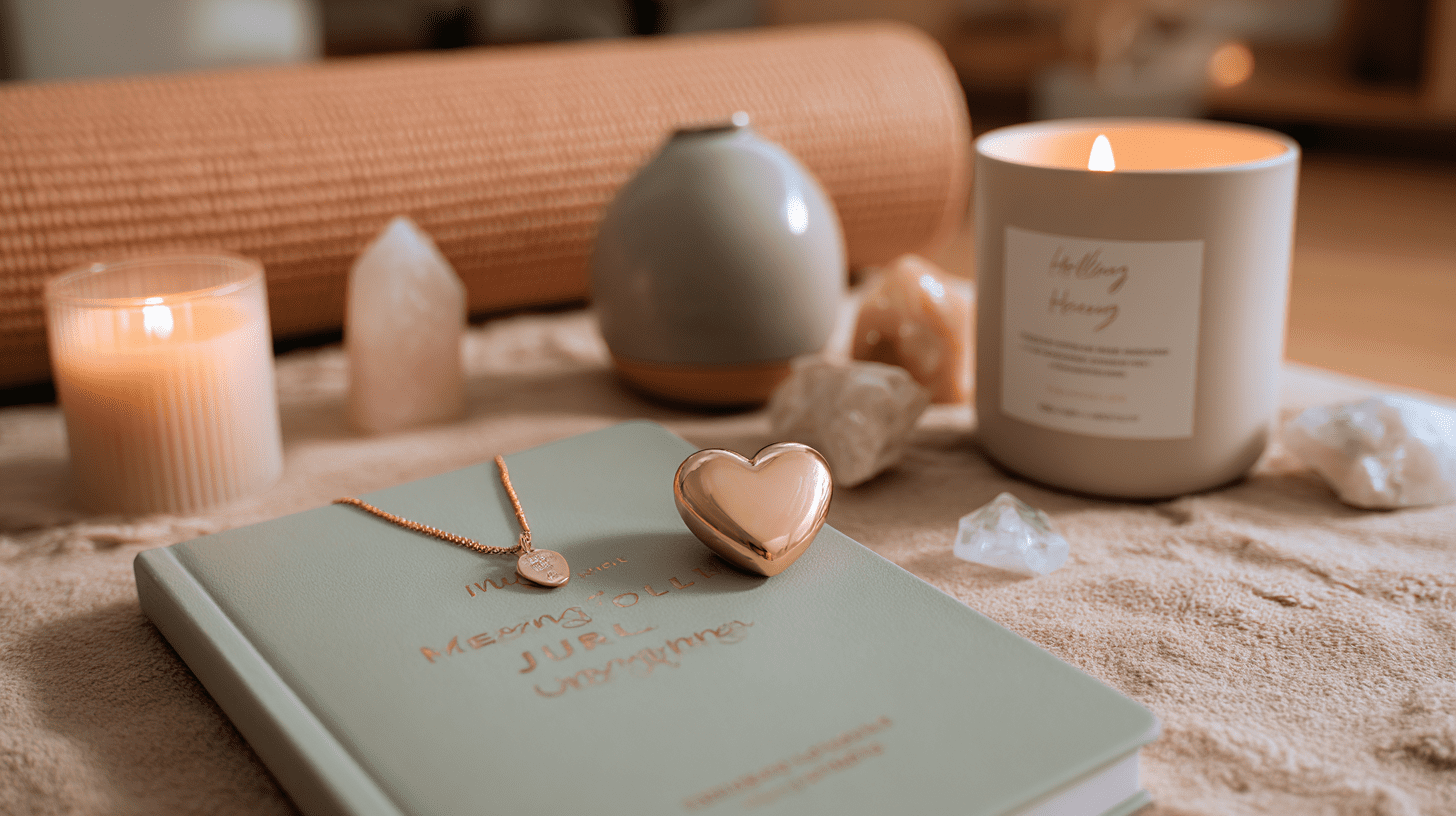
From lighting a candle next to an urn every evening to wearing cremation jewelry during important moments, rituals matter. These small acts add rhythm to your healing process. According to Harvard University studies on grief, consistent rituals give mourners a sense of control and structure — essential during times of chaos.
Grief rituals also foster community. When families share stories around an urn or display cremation art at gatherings, they validate each other’s pain and provide a space to heal together.
6. Physical Objects, Spiritual Healing
We often think of ashes as what remains — but what if we saw them as what connects? A cremation urn is not an end. It’s a vessel of legacy, of continuity. That’s why so many find peace in choosing urns that feel spiritual: floral designs, cross engravings, or Buddhist-inspired urns.
Even therapists now include object-based therapy in grief counseling. As per Dr. Alan Wolfelt, a leading grief counselor, “Objects like urns and keepsakes help make love visible again.”
7. Honoring the Ashes: A Legacy of Love
Lastly, honoring ashes isn’t just about what you keep — it’s also about what you do. Creating memorial gardens, planting trees with biodegradable urns, or donating in memory of the departed — these are all powerful acts of self-care.
At Dei Gratia Urns, many families choose custom engraving to etch quotes, dates, or prayers. These aren’t just messages; they’re whispers of love that echo through generations.
Conclusion: You Can’t Heal Without Holding On
The grieving process is rarely easy, but with the right tools — urns, cremation jewelry, and heartfelt rituals — healing becomes possible. These objects are not substitutes for the people we’ve lost. They are reflections. They remind us that love doesn’t end with loss.
Incorporating such items into your self-care routine doesn’t just honor your loved one — it honors you. Because to mourn deeply means you’ve loved deeply. And that, in itself, is something beautiful to hold onto.