
Urn Definition & Meaning
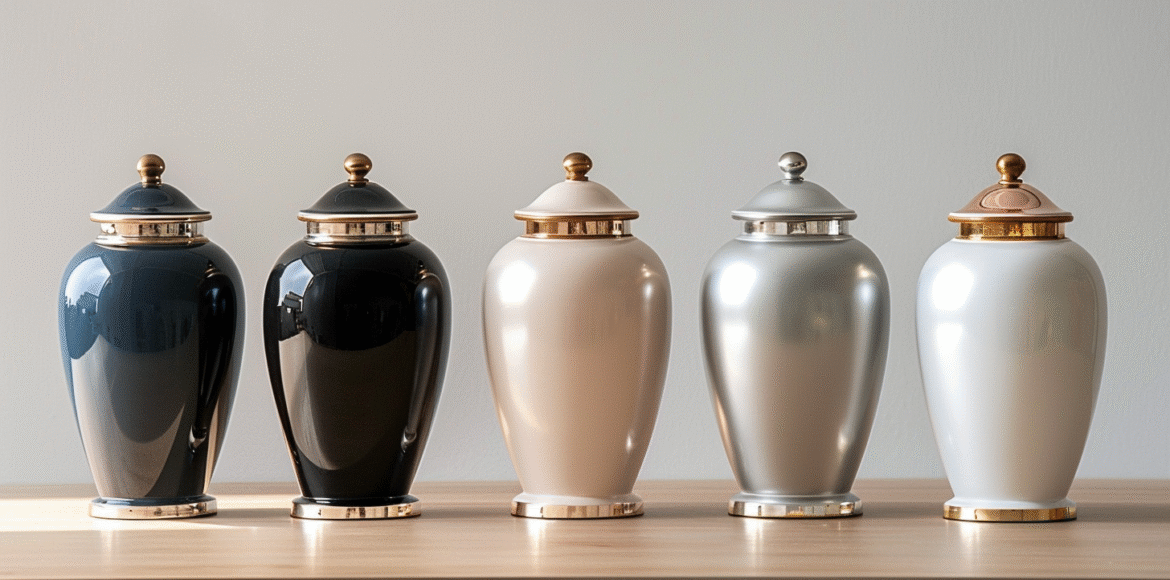
Urn Definition & Meaning – 7 Essential Facts About Cremation Urns and Ashes, When we hear the word urn, most of us picture a dignified vase holding the ashes of a loved one. But what exactly is an urn, and why does it hold such deep meaning in our memorial traditions? In this guide, we’ll explore the definition of an urn and its broader meaning – from the practical purpose of containing cremated remains to the rich history and emotional significance behind these sacred vessels. Written with decades of expertise in the funeral industry, this article will walk you through everything you need to know about urns in a warm, human-centered way. Whether you’re choosing a cremation urn for a loved one or simply curious about the tradition, read on to discover seven essential facts that will give you a profound understanding of urns, cremation, and ashes.
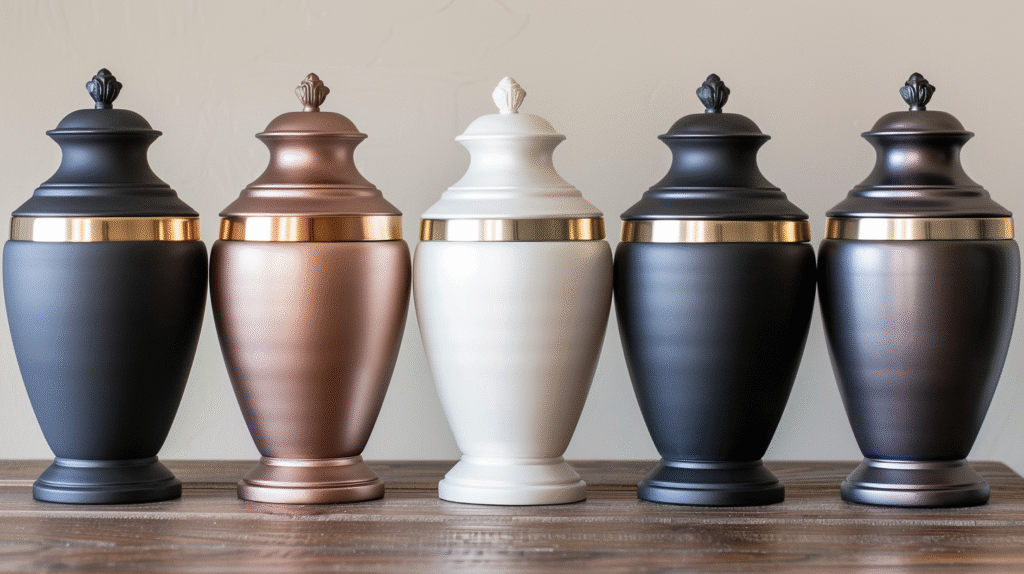
1. What Is an Urn? (Definition and Purpose)
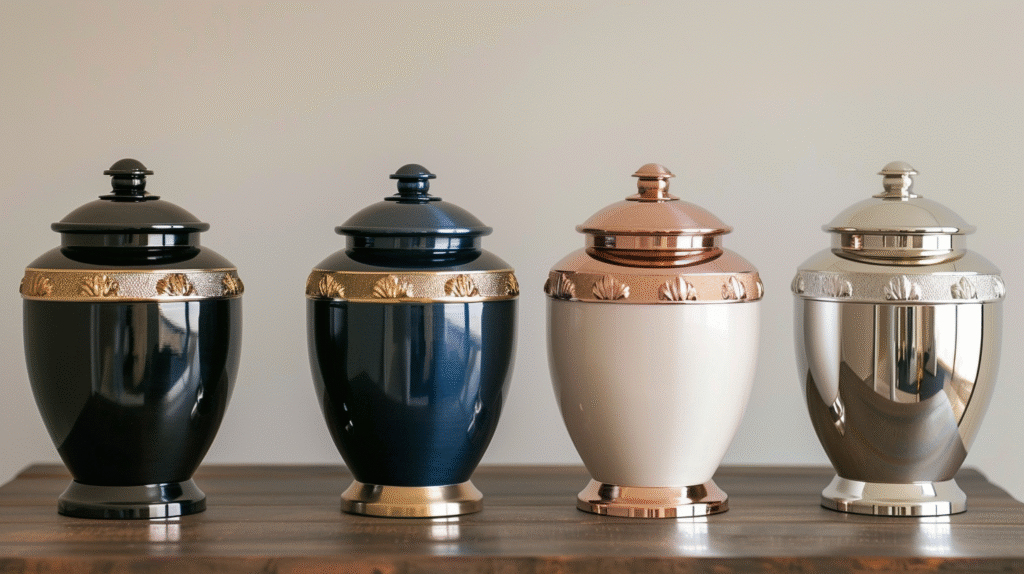
In the simplest terms, an urn is a container designed to hold the cremated ashes of a deceased person dictionary.cambridge.org. Physically, it often resembles a vase with a lid – typically with a rounded body, a narrow neck, and sometimes a footed base en.wikipedia.org. The word urn historically comes from the Latin urna, meaning a jar or vessel. What distinguishes an urn from any other container is largely its purpose: an urn is **specifically meant to safeguard and preserve ashes after cremation.
It’s worth noting that the term urn can refer to other objects as well. For example, large decorative vases in gardens or big metal containers for serving coffee are also called urns dictionary.cambridge.org. However, when we talk about urns in a funeral or memorial context, we mean a cremation urn or funeral urn – a decorative container for a loved one’s ashes. These urns are designed not just for function, but also for beauty and remembrance, often crafted from durable materials and adorned with meaningful designs.
Purpose: The primary purpose of a cremation urn is to hold and protect cremated remains. After a body is cremated, the remaining fragments of bone are processed into a fine ash. These cremated remains (or ashes) are then placed into an urn for safekeeping en.wikipedia.org. The urn serves as a secure receptacle for the ashes, allowing families to keep their loved one close, whether the urn is kept at home, placed in a columbarium niche, buried in a cemetery, or even scattered at a meaningful location (some urns are designed to aid in scattering or to biodegrade in nature). In essence, an urn provides a permanent, dignified home for the physical remains of someone who has passed away.
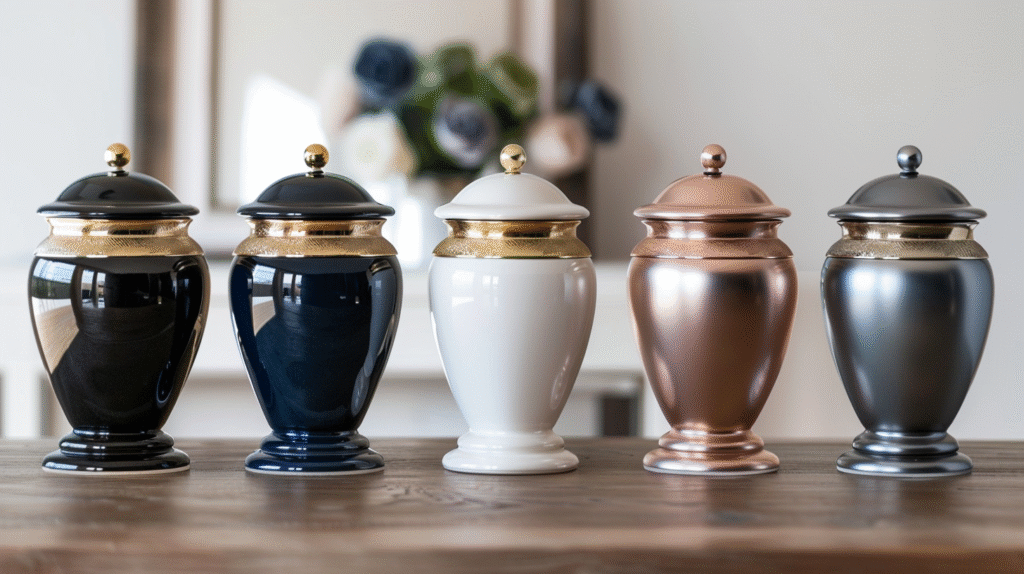
2. The Emotional Significance and Meaning Behind Urns
An urn is far more than a mere container; it is a symbol of love, memory, and honor for the person who has died. For many families, the urn holding their loved one’s ashes becomes a tangible connection to the departed. It’s something they can see and touch, bringing comfort in knowing that the physical essence of their loved one is preserved and nearby. In this way, urns play a vital role in the grieving process and memorialization.
Throughout history and across cultures, the act of preserving ashes in an urn has carried deep meaning. It signifies respect for the deceased – a way of saying that even after cremation, the remains are sacred and deserve a dedicated resting place. Many people find that having an urn helps with closure and remembrance, as it creates a focal point for honoring the person’s life. Whether displayed on a mantle, kept in a special room, or held during memorial ceremonies, the urn often becomes a cherished heirloom that tells a story about the one who has passed.
Importantly, urns embody the idea that love endures beyond death. The presence of an urn in the home can be a comforting reminder that “love lives on”. Some urns are personalized with engravings, names, or symbols (like doves, hearts, or religious icons) that reflect the personality and beliefs of the departed, further enhancing their symbolic meaning. For example, an urn adorned with angel wings might symbolize protection and peace, while one with a tree design could represent eternal life. In every case, the meaning of an urn is ultimately personal – it is invested with the memories, emotions, and significance that the family attributes to it.
Human Touch: At Dei Gratia Urns, we have witnessed countless times how an urn brings solace to families. We understand that an urn is not just a product – it’s a heartfelt tribute. Each time someone holds or gazes upon a loved one’s urn, it evokes cherished memories and a sense of connection. In this way, an urn serves as a symbolic home for a loved one’s memory, allowing those left behind to honor and remember their past journey with warmth and reverence.
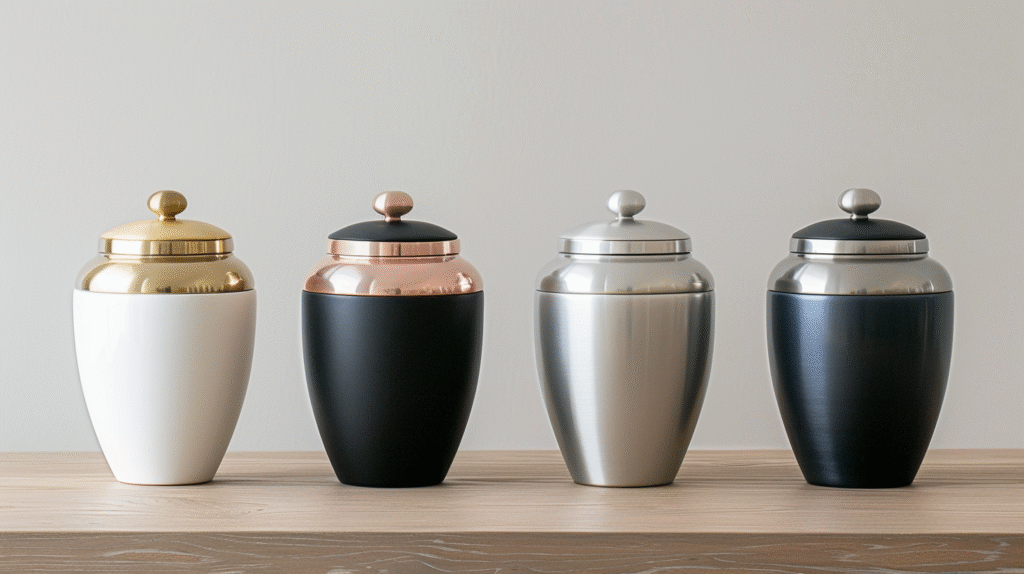
3. A Brief History of Urns (Ancient Traditions to Today)
Urns have a long and rich history that spans thousands of years and many cultures en.wikipedia.org. Understanding this history can deepen our appreciation of what urns mean today. Here are some key highlights of how urns have been used through time:
- Ancient Civilizations: The practice of placing ashes in urns dates back to prehistoric times. Archaeologists have discovered pottery urns from as early as 7000 BC in China en.wikipedia.org – some of the earliest evidence of cremation remains being preserved. In ancient China’s Jiahu site, for example, about 32 burial urns containing human remains were found, indicating that even in Neolithic times people honored their dead by saving their ashes in vessels en.wikipedia.org. Similar early urn finds have been made in Neolithic sites across Asia and Europe, showing that the idea of an urn as a resting place for ashes is truly ancient.
- Bronze Age Europe: By the late Bronze Age (around 1300–750 BC), a culture known as the Urnfield Culture in central Europe was named for its practice of burying cremated remains in urns and interring them in large fields (cemeteries) en.wikipedia.org. This period saw urn burials become common in parts of Europe; cremation would be followed by placing ashes in ceramic urns which were then buried, sometimes with ceremony and grave markers. The widespread use of urns in this era underscores how ancient and respected the tradition is.
- Ancient Greece and Rome: Both the Greeks and Romans practiced cremation alongside burial. In ancient Greece, cremation became common especially for fallen soldiers – it was seen as a hygienic and honorable way to handle the dead on battlefields. The ashes were typically placed in beautifully painted vases (funerary urns), often decorated with scenes commemorating the individual or depictions of mythological beliefs about the afterlife en.wikipedia.org. A particular Greek vase shape called a lekythos was often used to hold oils for funerary rites and sometimes ashes as well en.wikipedia.org. In ancient Rome, cremation was widely practiced (especially in the early imperial era), and wealthy families placed their loved ones’ ashes in ornate urns made of marble, clay, glass or bronze. The Romans built dedicated structures called columbaria (from the Latin for “dovecote”) to store urns in niches within vaults or underground chambers. A Roman urn (called a cinerarium) might be inscribed with the person’s name and decorated with carvings – indicating how much the urn itself was regarded as an important memorial object.
- Cultural Variations: Other cultures around the world also developed their own urn traditions. For instance, ancient civilizations in India practiced cremation for millennia, often scattering ashes in sacred rivers, but also sometimes keeping them in urns or special containers as part of rituals. In some parts of ancient Middle East, cremation was less common (burial dominated), yet urn-like vessels have been found as grave goods. Pre-Columbian cultures of the Americas (like some in South America) also used urns to store remains en.wikipedia.org. Each culture’s use of urns was tied to its beliefs about death and honor – but the common thread is that the urn was viewed as a revered final resting place for human remains.
- Decline and Revival: With the rise of Christianity in Europe, cremation largely fell out of favor for many centuries (around 400 AD onward), since early Christians and Jews preferred burial and saw cremation as a pagan practice. As a result, the use of urns in Europe became rare for over a thousand years (except in special cases like during plagues or war when mass cremations occurred out of necessity). However, cremation saw a modern revival in the 19th century. In the 1870s, innovators like Professor Brunetti in Italy developed the modern crematorium and showcased designs for cremation urns. The first modern crematoriums in Europe and North America were built around that time (Britain in 1878, United States in 1876), and the idea of using urns returned to common practice. By the late 19th and early 20th century, cremation societies and the funeral industry began offering urns again as cremation gained acceptance for sanitary and practical reasons.
- Today’s Context: In modern times, cremation has become incredibly common worldwide – in fact, in many countries today, over half of all funerals involve cremation (for example, the cremation rate in the United States was about 60-65% in 2024 and still rising cremationassociation.org). With this shift, urns have re-emerged as central figures in funeral practices. The contemporary funeral industry offers a vast array of cremation urns in varying quality, styles, and price ranges to meet families’ needs en.wikipedia.org. People now have the freedom to choose urns that reflect the individuality of their loved one. Despite all the changes over time, the core idea remains unchanged from ancient days: **preserving ashes in an urn is a meaningful way to honor and remember those who have passed on.
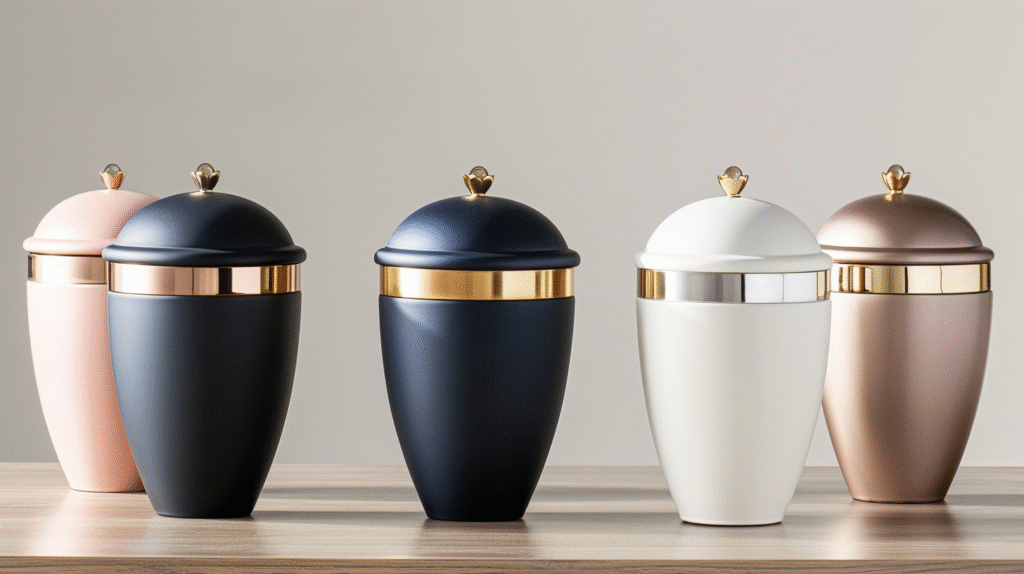
4. Types of Cremation Urns (Sizes, Materials, and Uses)
Urns come in a wide variety of types, each suited to different needs and preferences. When we talk about “types of urns,” we can classify them by size, purpose, material, or design style. Here are some of the most common types of cremation urns you should know:
- Individual Urns (Standard Adult Urns): These are the most common urns, made to hold one person’s ashes. A standard adult urn typically has a capacity of around 200 cubic inches, which roughly corresponds to the ashes of a single adult (funeral professionals often use the guideline of 1 pound of body weight = 1 cubic inch of ashes). Individual urns come in countless designs – from simple wooden boxes to decorative metal vases. Their purpose is to serve as the primary container for an individual’s cremated remains, either for display, burial, or placement in a columbarium.
- Companion Urns: Companion urns are designed to hold the ashes of two people, usually a couple who wish to rest together. These urns tend to be larger (double capacity) or have two separate compartments within one unit. Using a companion urn is a touching choice for partners or spouses, symbolizing their wish to remain side by side for eternity. Companion urns can be one single piece that holds two sets of ashes together, or a joined pair of urns that complement each other in design.
- Keepsake Urns (Small & Sharing Urns): Not all urns are big. Keepsake urns are small urns meant to hold just a token amount of ashes. Families often use keepsake urns when they want to share ashes among multiple family members or keep a small portion while the majority of ashes might be scattered or buried. These tiny urns can be as small as a thimble or up to a few cubic inches. They are also used for infant or child losses, where there are fewer ashes. Despite their size, keepsake urns are crafted with the same care and symbolism – sometimes taking the form of small hearts, tiny sculptures, or miniature versions of larger urns.
- Cremation Jewelry: A special form of keepsake is cremation jewelry – pendants, lockets, or bracelets that contain a very small portion of ashes. While not “urns” in the traditional shape, they function similarly by holding ashes. For example, a necklace with a tiny urn pendant can keep a loved one’s memory literally close to your heart. This allows multiple family members to each carry a part of their loved one with them wherever they go.
- Biodegradable & Scattering Urns: For those who plan to scatter ashes or return them to nature, there are urns specifically made for that purpose. Scattering urns are designed to make the process of pouring ashes easier, often with a spout or tube and a lightweight design. Biodegradable urns are made of eco-friendly materials (like pressed paper, salt, sand, or organic compounds) that will disintegrate naturally after being buried in soil or placed into water. These are ideal when you intend to bury the urn in nature or do a water burial; they ensure that no permanent materials are left behind. Many biodegradable urns are beautifully crafted despite their temporary nature – for example, some are made of pressed flower petals and eco-friendly paper that dissolves in water, releasing the ashes gently. Using these urns can be a meaningful choice if you value an earth-friendly return to nature for your loved one.
- Pet Urns: Our furry and feathered family members also hold a special place in our hearts, and many people choose to cremate beloved pets. Pet urns are urns made specifically to hold the ashes of pets – dogs, cats, birds, and so on. They come in various sizes appropriate to the animal’s weight, and often feature themes like paw prints, pet figurines, or engravings of the pet’s name. Just like urns for human family members, pet urns serve as a memorial to honor the companionship and love our pets gave us.
- Urn Materials and Styles: In addition to the above categories, it’s worth mentioning the range of materials urns are made from. Common materials include metal (such as brass, bronze, stainless steel), wood (oak, cherry, walnut, etc., often with a natural warm appearance), ceramic or porcelain (traditional vase-like urns with artistic glazing), marble or stone, glass, and even crystal. Each material offers a different aesthetic and level of durability. For example, bronze or marble urns are extremely long-lasting and suitable for display or burial, while ceramic urns might be more fragile but cherished for their artistry. There are also custom-made artisan urns that may be sculpted or hand-painted – truly one-of-a-kind pieces of art celebrating a unique life. Style-wise, you can find everything from very classic urn shapes (the timeless vase with a lid) to modern sculptures, chests, cubes, or themed designs (such as urns shaped like books, clocks, footballs, musical instruments – reflecting a hobby or passion). This variety means families can choose an urn that best reflects their loved one’s personality and wishes, making the memorial all the more special.
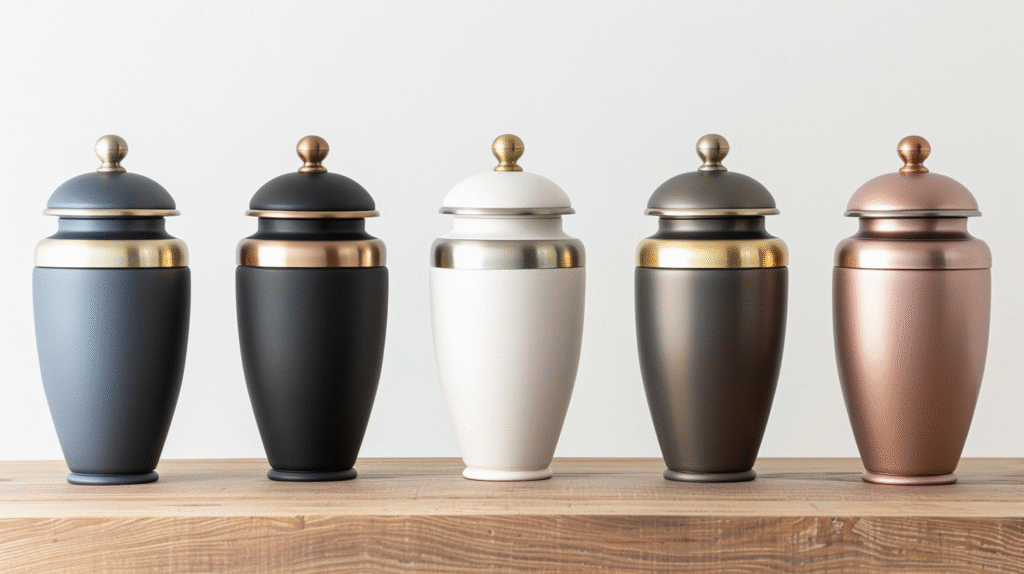
5. Choosing the Right Urn for Your Loved One
Selecting an urn is a deeply personal decision. It can feel daunting at first – after all, this will be the final container for someone dearly loved – but understanding a few key considerations can help you choose with confidence and care. Here are some important factors to keep in mind when choosing a cremation urn:
– Size and Capacity: Ensure the urn is the appropriate size for the amount of ashes. As mentioned, a typical adult’s ashes usually require an urn of about 200 cubic inches. If you have the ashes from the crematorium, ask about the volume or the person’s weight before cremation to gauge size. If you plan to combine ashes (for example, in a companion urn for two people or adding some pet ashes with a person’s), make sure to account for that extra volume. It’s generally better to err on a slightly larger urn than one that is too small to hold all the remains.
– Intended Placement: Think about what you will do with the urn long-term. Will it be displayed at home on a shelf or mantle? If so, you might prioritize an urn that matches your home décor or one that is particularly beautiful or meaningful to look at. Will the urn be buried in a cemetery? If yes, you should choose a sturdy urn (metal or stone is common for burial) and check cemetery requirements – many cemeteries require an urn vault (a protective outer container) if burying an urn, to prevent ground collapse. If the urn will be placed in a columbarium niche (a wall of remembrance with compartments for urns), you’ll need to ensure the urn’s dimensions fit the niche and possibly that the material is appropriate (some columbaria are indoors, so material is less an issue; if outdoors, durability matters). For those planning to scatter ashes, you might choose a simple temporary urn or a scattering tube instead of an elaborate permanent urn. Knowing the urn’s future location helps narrow your choices.
– Material and Durability: Different materials serve different purposes. Metal urns (like brass or bronze) and stone urns (like marble or granite) are very durable and great for display or burial, but they’re heavier. Wooden urns have a warm, natural feel and are excellent for display or niches, but if you intend to bury a wooden urn, note that it will eventually biodegrade (unless placed in a vault). Ceramic or glass urns are delicate and best suited for display in a safe place (away from high-traffic areas or pets that might accidentally knock them over!). If you want to avoid accidental breakage but like the look of ceramic, you could keep the ceramic urn for display and maybe transfer ashes to a sturdier container if relocating it. Consider your lifestyle – for example, if you move homes often, a lightweight but tough urn might be easier to transport than a very heavy one.
– Aesthetic and Personalization: The urn you choose can be a reflection of your loved one’s life and personality. Take into account the design, color, and symbolism. Did your loved one have a favorite color or style? If they were very traditional, a classic urn shape with a timeless design might feel right. If they were artistic or modern, you might opt for a more contemporary art-piece urn. Many urns can be engraved with the person’s name, dates, or a short inscription (“Beloved Father, Always in our Hearts,” for example). Some families even incorporate small photo frames on the urn or choose urns that come with interchangeable plaques. Don’t be afraid to pick something unique – the goal is for the urn to serve as a meaningful tribute. For instance, if your mother loved gardening, you might choose an urn with a floral motif. If your partner was a traveler, maybe a globe-shaped urn or one with a compass design would honor that spirit. Personalization adds that human touch that can make the urn feel truly special.
– Budget Considerations: Quality urns are available at a range of price points. What matters most is finding one that meets your needs and honors your loved one; it doesn’t have to be the most expensive to be meaningful. Set a budget that you’re comfortable with. Simple but elegant urns in materials like brass, wood, or ceramic can be very affordable, while intricate custom or hand-made urns might cost more. Keep in mind that cost doesn’t equate to emotional value – a modest urn filled with love and significance is far more valuable than a pricey urn chosen under pressure or guilt. Take your time to browse options (funeral homes, crematoriums, and many online urn retailers including Dei Gratia Urns offer catalogs of urn styles).
– Future Family Needs: Consider if you want your own ashes or another family member’s ashes to join the loved one in the future. For example, if you’re picking an urn for one parent and know that eventually you’ll want to add the other parent’s ashes, a companion urn (two-person urn) or at least an urn with extra space could be wise. Some urns have the ability to add ashes later (like compartmental urns). Thinking a little ahead can ensure your choice continues to serve your family’s needs down the road.
In summary, choosing an urn is a process that combines practical considerations (size, placement, material) with personal ones (style, symbolism, emotion). Take comfort in knowing there is no “right” or “wrong” choice – the best urn is one that feels right to you and properly honors the memory of the person (or pet) you love. If possible, hold or see the urn in person (to feel its weight and quality) or read reviews if buying online. Trust your heart; this is a decision made with love.
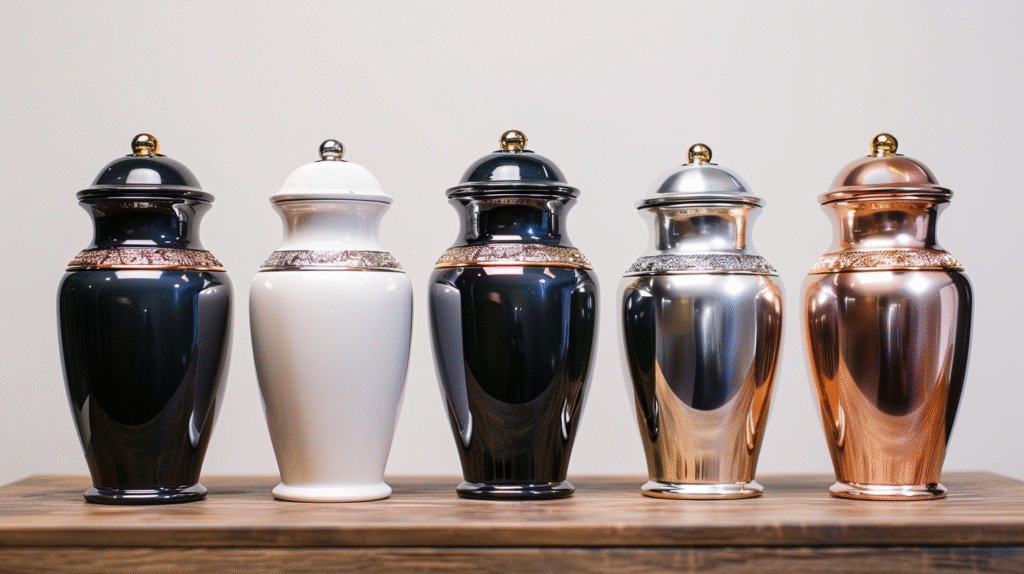
6. What Do People Do with Urns? (Traditions and Options)
After selecting an urn and placing your loved one’s ashes in it, you might wonder what comes next. There are several respectful ways to handle an urn long-term, and different families have different traditions and preferences. Here are some of the most common options for honoring a loved one with their urn:
- Keep the Urn at Home: Many people choose to keep the urn at home in a place of honor. This could be on a fireplace mantle, a dedicated shelf, or perhaps a home altar. Families often decorate the area with photographs, candles, or personal mementos around the urn, creating a small shrine or memorial corner. Keeping the urn at home can provide comfort – you feel that your loved one remains close by in daily life. It also allows you to privately remember and speak to them if you wish. If you do keep an urn at home, ensure it’s in a safe location, especially if it’s fragile. For households with pets or young children, placing the urn on a sturdy high shelf or in a glass-front cabinet can prevent accidents.
- Burial of the Urn: Some families prefer to bury the urn in a cemetery plot or family grave. This option provides a permanent resting place and a location for family and future generations to visit, much like a traditional grave. When burying an urn, you will typically coordinate with the cemetery; as mentioned, many cemeteries require using an urn vault (a protective container, often concrete or polymer, that the urn sits inside) to prevent the ground from sinking over time. You can mark the burial spot with a small headstone, plaque, or marker, just as you would for a coffin burial. An urn burial can be accompanied by a graveside ceremony or prayer, giving family and friends closure. It combines the cremation choice with an element of traditional burial ritual.
- Placement in a Columbarium: A columbarium is a special structure (often part of a cemetery, temple, or church) with niches or compartments to hold urns. Think of it like an apartment building for urns – each niche is like a little cubby where an urn (sometimes two) can be placed, and the front is sealed with a plaque naming the deceased. Columbariums can be indoors or outdoors, and they are usually serene, beautifully designed spaces for remembrance. Placing an urn in a columbarium niche is a popular choice, especially in urban areas where space for burial might be limited, or for families who like the idea of a dedicated memorial site without the upkeep of a grave. Visiting a columbarium is much like visiting a cemetery: you can bring flowers, stand or sit with your thoughts, and pay respects to your loved one in a communal sacred space.
- Scattering Ashes (and Urn Alternatives): Some families ultimately decide to scatter their loved one’s ashes in a meaningful location – for example, over the ocean, in a forest, or some place the person loved in life. If you choose to scatter, the urn’s role may be temporary. You might keep the ashes in a simple container or a scattering urn until the planned ceremony. After scattering, some families keep an empty urn as a memorial (since it was the vessel that held their loved one, it can still carry sentimental value), while others might bury or retire the urn. There are also biodegradable urns designed to be buried or placed into water along with the ashes, which dissolve and release the remains, effectively combining the urn and scattering in one eco-friendly ritual. Remember to always follow local laws and regulations when scattering ashes – many places allow it with some guidelines (for instance, scattering at sea is permitted by maritime law if done away from shore, and national parks often require a permit).
- Dividing Ashes Among Family: It’s quite common for different family members to each want a part of the ashes. In such cases, multiple urns may come into play. One person might keep the main urn, while others use keepsake urns or jewelry to hold smaller portions. This way, each can have a personal memorial. Communication is key – make sure everyone in the family is comfortable with the arrangement and that the division of ashes is done respectfully. Funeral homes can help in dividing and transferring ashes safely and cleanly into various containers if needed.
- Traveling with an Urn: If you need to transport an urn (for example, bringing a loved one’s ashes to their hometown or to a memorial service in another state/country), plan ahead. Air travel with cremated remains is generally allowed, but TSA has rules: it’s recommended to use a non-metallic urn if you’re carrying it on, so that it can be X-rayed (security staff are not allowed to open any urn to inspect contents, out of respect) – materials like wood or plastic temporary containers are ideal for flying, and you can transfer ashes to a display urn later. Always check with the airline; some require documentation like a cremation certificate. Traveling can be emotional, but knowing the guidelines will help it go smoothly.
In all these scenarios, the underlying theme is respect and remembrance. There is no one “correct” way to handle an urn – it depends on personal beliefs, religious customs, and what brings your family the most peace. Some people even get very creative (incorporating a small portion of ashes into paintings, vinyl records, coral reef balls, etc.), but those usually still involve keeping the majority in an urn or scattering. As time passes, you might find your relationship with the urn and what it represents evolves – and that’s natural. What matters is that the urn serves its purpose as a vessel of memory and love, and that you handle it in a way that feels right to you and honors the wishes of the departed (if they expressed any).
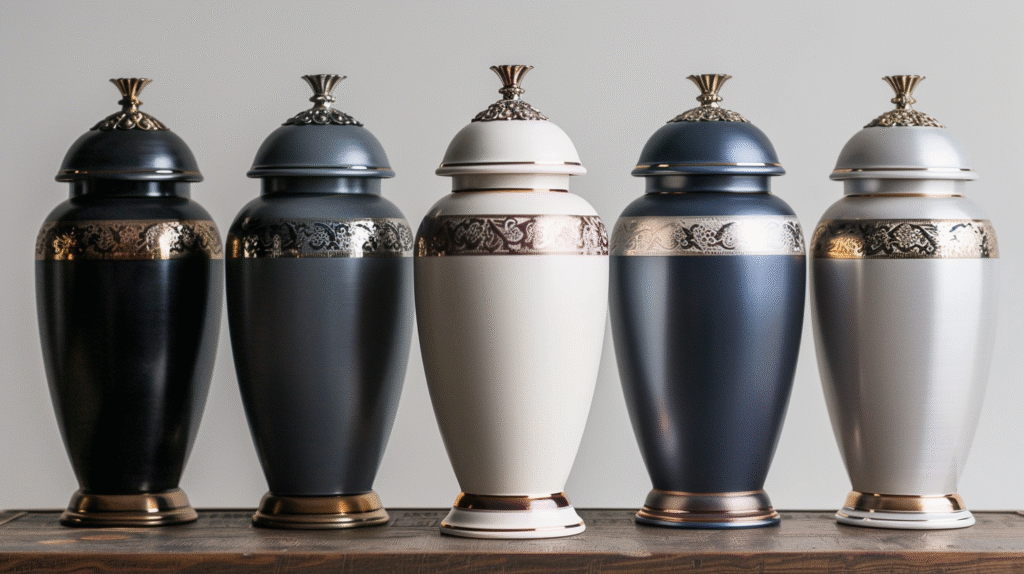
7. Caring for an Urn and Preserving Memories
Once you have an urn and have decided where it will reside, it’s good to know how to take care of it so that it remains a fitting tribute for years to come. Caring for an urn mostly involves simple maintenance and thoughtful handling:
- Display Environment: If the urn is displayed at home, keep it in a safe, stable location. Avoid places with direct sunlight all day (which might fade wooden or painted urns), or areas with high humidity (which could affect wood or biodegradable materials). If the urn is very valuable or fragile (such as glass or crystal), consider placing it in a cabinet or behind glass for extra protection. Always make sure the surface it sits on is sturdy and level – you don’t want the urn to be on a narrow or wobbly shelf where it could be knocked off.
- Cleaning and Polishing: Over time, urns can gather dust or lose a bit of their luster – just like any decor object. The cleaning method depends on the material:
- Metal urns (brass, bronze, etc.): Use a soft, dry cloth to dust regularly. For tarnish (on brass or copper alloys), you might use a gentle metal polish, but be cautious with any engraving or appliqués – test a small area first. Some metal urns have protective coatings; if so, just a damp cloth (water only) and immediate drying is best to avoid scratching the coating.
- Wood urns: Dust with a dry cloth. You can use a little furniture polish or lemon oil occasionally to keep the wood hydrated and shiny, but apply it to the cloth first, not directly on the wood, and don’t overdo it. Keep wood urns away from direct heat sources or moisture to prevent warping or cracking.
- Ceramic/Glass urns: These can be wiped with a slightly damp cloth and mild soap if needed. Avoid harsh chemicals. Be very gentle, as these materials can scratch or even break if handled roughly. It’s a good idea to clean them in a padded area or over a carpet, just in case of a slip.
- Marble or Stone urns: Wipe with a damp cloth. Stone can be porous, so avoid acidic cleaners. A tiny bit of granite or marble polish can restore shine, but often just water and a soft cloth suffice.
- In all cases, ensure the lid or sealing mechanism stays secure. Some urns have threaded lids (like a screw top), others have a cover that sits on top. If it’s not tightly closing, you may want to add a thin line of silicone sealant for a permanent seal (common if you’re going to bury it or never reopen it). If you plan to possibly scatter later or move ashes, you might leave it unsealed but still, handle with care so it doesn’t accidentally tip.
- Handling with Respect: It almost goes without saying, but always handle the urn with reverence. It helps, emotionally, to treat the urn as you would the person’s remains in any form – with gentleness and honor. If others in your household (especially children) are curious about it, educate them on its importance so that it’s not treated casually. Many families develop a bit of ritual around the urn – for example, lightly dusting it weekly and perhaps saying a quiet hello or prayer to their loved one in the process. These small acts can be very meaningful.
- Preserving the Memory: While the urn holds the physical ashes, you can also use it as a centerpiece for preserving memories. Consider keeping a journal or memory book next to the urn where family can write letters or memories over time. On anniversaries or special dates, you might change the flowers by the urn or light a candle. Some urns (especially those at home) are integrated into daily life in subtle ways – a kiss on the fingertips then touched to the urn in the morning, or a habit of saying goodnight. These personal gestures give the urn a role in continuing the bond with your loved one. If your urn is in a public place (columbarium or cemetery), visiting it and cleaning the niche or bringing seasonal flowers is a way of caring for that space as well.
Ultimately, maintaining the urn is about keeping it as a dignified memorial. Just as we maintain grave sites or photo frames of loved ones, tending to an urn is an act of love. It ensures that this vessel – which holds such precious contents – remains as beautiful and respectful as the memories of the person it represents.
Conclusion: The Enduring Meaning of Urns
In conclusion, an urn in the context of cremation is much more than a container for ashes – it is a vessel of legacy, carrying the story, love, and memory of someone who lives on in our hearts. We began by defining an urn in simple terms, but as we’ve explored, the meaning of an urn runs much deeper. It embodies ancient traditions that date back millennia en.wikipedia.org, it reflects cultural values about how we honor our dead, and it takes on profound personal significance for each family that entrusts it with their loved one’s remains.
By understanding the definition and history of urns, we connect with a human practice that has been shared across time – from the ceremonial urn burials of ancient civilizations to the modern-day urns sitting lovingly on our mantles. By learning about the types of urns and how to choose one, we gain confidence in making decisions that feel right and respectful. And by recognizing the symbolic and emotional weight an urn carries, we remind ourselves that grief and remembrance are deeply human experiences, worthy of compassion and care.
Each urn tells a story. The style of urn you choose, the place you keep it, and the way you interact with it day to day all become part of the narrative of remembrance. For some, an urn represents peace of mind, knowing that “Mom is still here with us, watching over us.” For others, it symbolizes a promise – “One day, we will reunite your ashes with the sea you loved.” And for many, it’s a bit of both – closure and continuity wrapped into one object.
At Dei Gratia Urns, we understand the sacred trust that a cremation urn involves. We hope this guide has given you not only factual knowledge about urns – their definition, meaning, history, and varieties – but also a sense of comfort and humanity. Choosing or even just learning about urns can be an emotional journey. Know that in doing so, you are participating in an age-old act of love: caring for the memory of someone precious.
In the end, an urn’s true meaning is defined by the love it represents. It stands as a silent, beautiful testament that love endures beyond the grave. As you hold an urn or see it in a special spot, may it remind you of the laughter, the lessons, and the love shared with the one who lives on in your heart. That is the true definition of an urn – not just a container of ashes, but a container of memories, forever treasured.
Footnotes & Sources: This article incorporated historical and factual information from reliable sources such as Wikipedia and reputable memorial resources to ensure accuracy. For instance, the early use of urns in ancient China (c. 7000 BC) and Europe is documented in archaeological records en.wikipedia.org, and the descriptions of Greek and Roman urn practices are supported by historical texts. Definitions of urn were referenced from the Cambridge Dictionary dictionary.cambridge.org and Wikipedia en.wikipedia.org to provide clarity on what an urn is. These sources underline the longevity and cultural significance of urns in human funeral customs. When choosing an urn or handling ashes, always feel free to consult with funeral professionals for guidance specific to your situation.