
Cremation Confusion Solved: Experts Reveal Which 1 Urn Size Fits Your Loved One’s Ashes… And Why Most People Get It Wrong
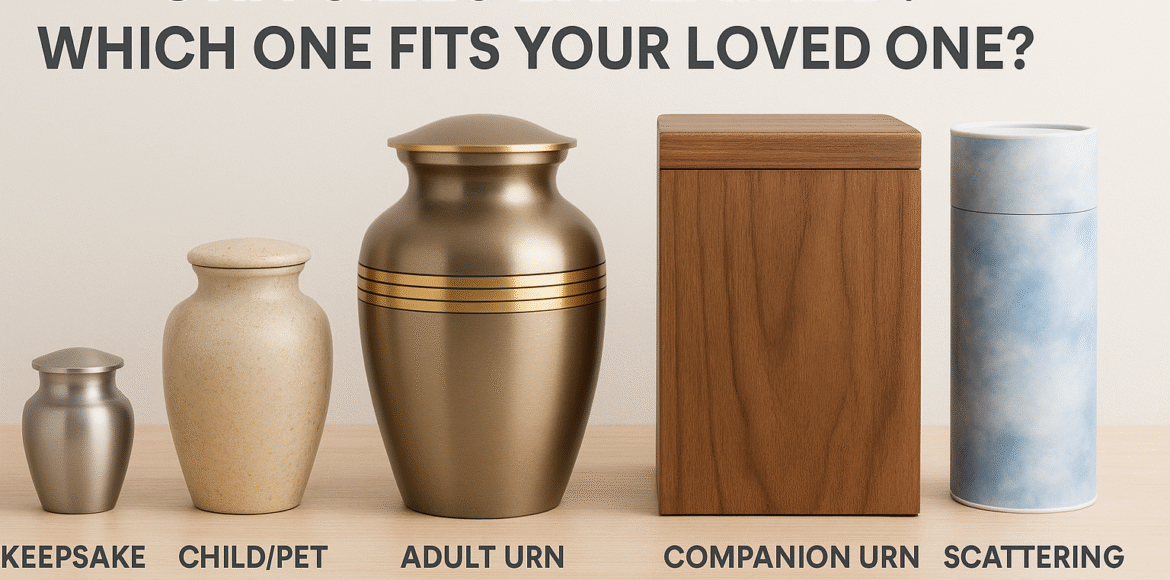
Choosing a cremation urn might seem straightforward—until you’re suddenly flooded with terms like “cubic inches,” “companion urns,” and “keepsakes.” The emotional weight of the moment often collides with the technicalities of finding the right size, leaving many grieving families overwhelmed and confused.
Table of Contents
So, how do you know which urn is the right one? And what happens if you choose the wrong size?
We’re here to cut through the confusion and guide you with compassion, clarity, and practical wisdom. Whether you’re planning ahead or making a last-minute decision, this guide—backed by expert advice and real-life questions—will help you confidently select the perfect resting place for your loved one’s ashes.
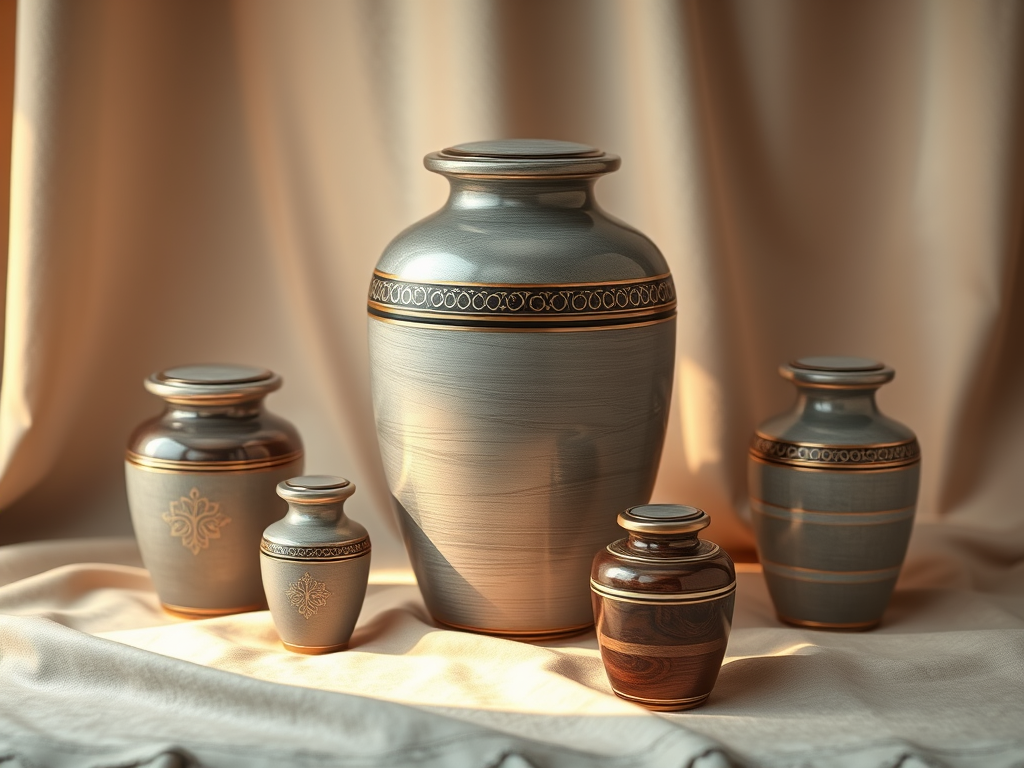
The One Rule Most People Don’t Know About Urn Sizes
There’s a surprisingly simple formula professionals use when recommending urn sizes:
1 pound of body weight = 1 cubic inch of ashes.
So if your loved one weighed 160 pounds before cremation, you’ll need an urn that can hold at least 160 cubic inches of ashes.
But here’s where it gets tricky. Many urns are labeled “standard” or “adult,” but the actual capacity can vary. If you’re choosing a decorative urn or something sculptural, always check the volume (in cubic inches), not just the product title.
Cremation Urn Size Chart: A Quick Glance
| Urn Type | Capacity (Cubic Inches) | Who It’s For |
|---|---|---|
| Keepsake Urn | 1–50 | Small amount of ashes, mementos |
| Child/Pet Urn | 30–70 | Infants, young children, or small pets |
| Adult Urn | 180–220 | Most adult cremains |
| Companion Urn | 350–450 | Two individuals (e.g., married couple) |
| Scattering Tube/Urn | Varies (50–200) | For scattering ashes in multiple locations |
How to Measure if an Urn Will Fit: A Simple Trick
Not every cremation provider will give you an exact volume in cubic inches. But if you have the ashes in a temporary container or plastic box (which is common), here’s how to measure:
- Look for dimensions on the box or container label.
- Use the formula:
Length x Width x Height (in inches) = Volume in cubic inches - Compare this with the listed size of the urn you’re considering.
Tip: Always go slightly bigger. Ashes vary in density depending on bone structure and cremation temperature. Better safe than sorry.
Frequently Asked Questions About Urn Sizes
Q1: What happens if the ashes don’t fit into the urn?
If the urn is too small, you’ll either need to purchase a larger one or store the remaining ashes separately in a keepsake urn. It’s not uncommon for families to divide ashes among multiple family members.
Q2: Can I combine ashes from two people in one urn?
Yes—this is called a companion urn, typically used for couples. Just make sure the urn holds around 400+ cubic inches.
Q3: Are pet urns different?
Technically, no. Pet urns follow the same size principle—1 lb = 1 cubic inch. However, pet urns often come in different styles (paw prints, animal shapes) and tend to be smaller.
Q4: What if I want to keep just a small portion of the ashes?
Use a keepsake urn or mini urn. These are perfect for sharing ashes among family members or keeping a symbolic amount at home.
The Emotional Weight of the Wrong Size
Here’s something many sellers don’t tell you: Choosing an urn that’s too small can feel like a second loss. One Arizona woman shared her regret:
“We ordered a beautiful handcrafted urn… but when we realized Dad’s ashes didn’t fit, we had to scramble to find a backup. It was heartbreaking.”
That’s why we urge families to double-check measurements and choose slightly larger sizes, even if it means sacrificing some design preference.
Choosing Symbolism Over Standardization
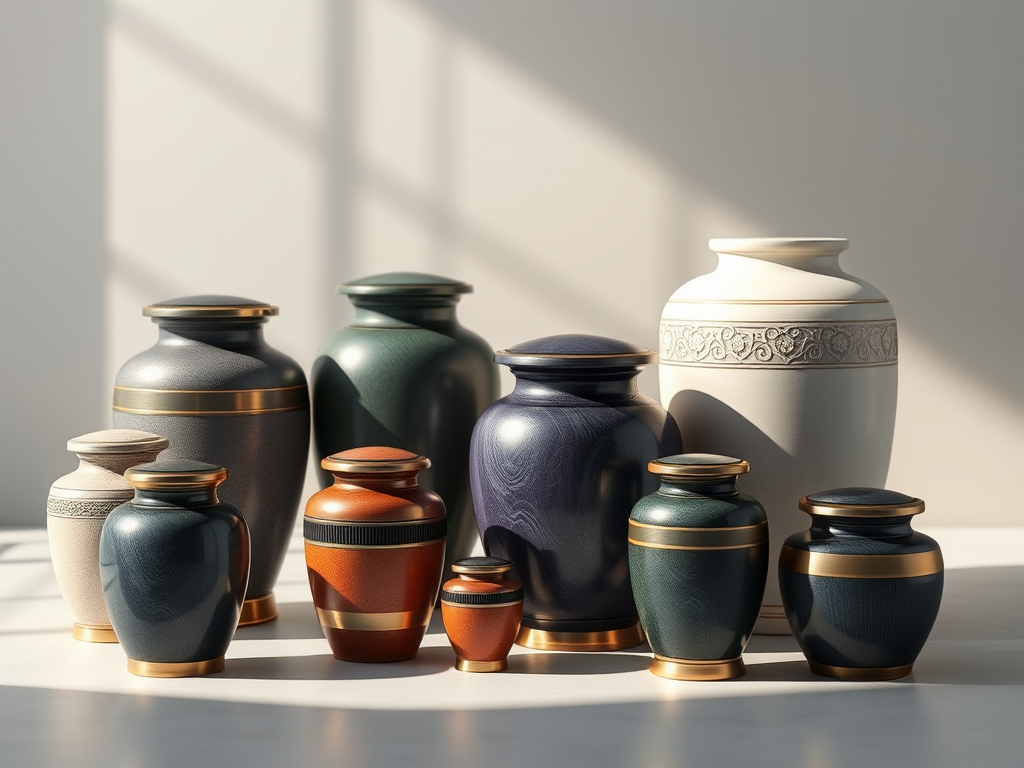
More families today are opting for custom urns shaped like birds, hearts, or celestial symbols. These emotional designs can be healing—but beware: many of them prioritize style over size.
If you’re choosing something symbolic, ask the vendor for exact cubic inch capacity. It’s common for artistic urns to be significantly smaller than traditional ones.
Final Checklist Before You Purchase an Urn
Confirm the deceased’s approximate weight
Use the “1 lb = 1 cubic inch” rule
Ask for cubic inch capacity, not just the term “adult urn”
Plan ahead if dividing ashes or sharing with family
Always go slightly bigger to avoid overfilling