
‘Golden Urn’ controversy reignites global spotlight on next Dalai Lama: “China can’t choose reincarnation,” says Tibetan leader
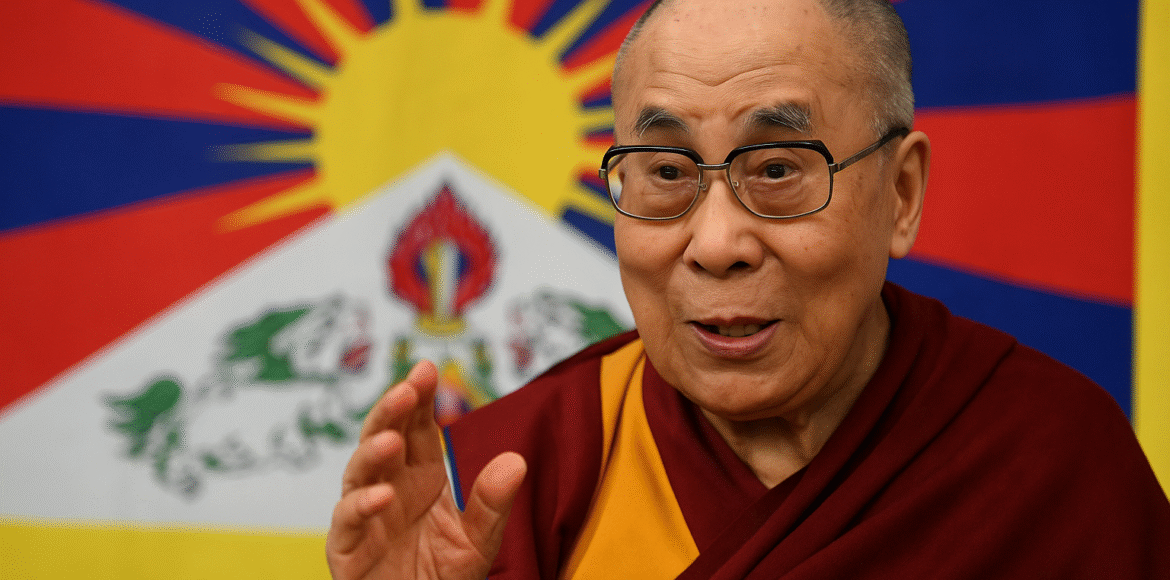
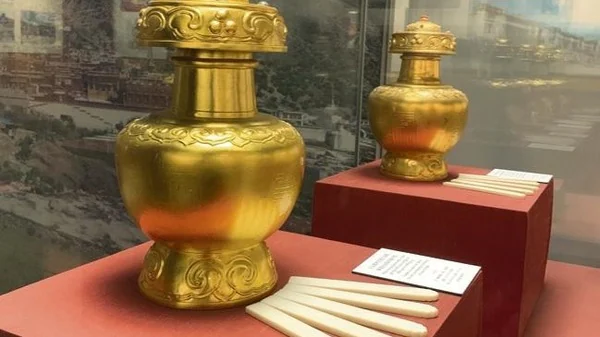
A centuries-old bronze vessel—the so-called Golden Urn—is now at the center of a global controversy. At stake is nothing less than the spiritual succession of the Dalai Lama, Tibet’s most revered Buddhist leader, and with it, the future of Tibetan identity itself.
The current 14th Dalai Lama, Tenzin Gyatso, who has lived in exile in India since the 1959 Tibetan uprising, has made his stance clear: Beijing will not decide his reincarnation. Yet, China, wielding an imperial-era relic and emboldened by political muscle, insists it must.
“Urn over soul”: How did we get here?
This isn’t just a theological issue; it’s deeply political.
In a recent press briefing, Chinese Foreign Ministry spokesperson Mao Ning reiterated the state’s claim: “The reincarnation of the Dalai Lama, the Panchen Lama, and other great Buddhist figures must be chosen by drawing lots from a golden urn and approved by the central government.”
The Golden Urn—introduced during the Qing Dynasty in 1792—was initially intended to reduce corruption and power struggles in recognizing “soul boys,” believed to be reincarnated lamas. Yet, many Tibetans see this as a tool of colonial interference.
The urn method, while formalized by Qing emperors, was never accepted fully by Tibetan spiritual authorities. In fact, only once in history was it even claimed to be used to choose a Dalai Lama, and even then, scholars argue it was more symbolic than real.
The Dalai Lama’s Strong Rejection
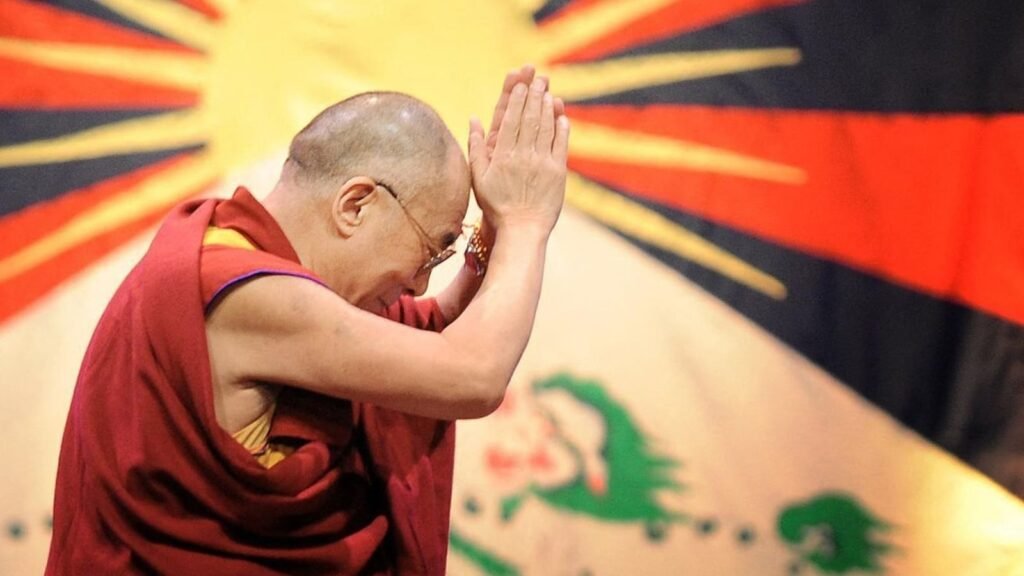
The Dalai Lama, now in his late 80s, responded forcefully through a statement posted by the Gaden Phodrang Trust, the official administrative body of His Holiness.
Quoting from a 2011 declaration, he said, “The responsibility for recognizing my reincarnation will rest exclusively with members of the Gaden Phodrang—not with any government, least of all those who reject the idea of reincarnation itself.”
He also emphasized that during the Gurkha-Tibet conflict (1791–93), Tibet sought military assistance from Qing forces. The infamous 29-point ordinance followed, allegedly under the guise of improving Tibetan governance, and included the urn selection clause. But, as the statement asserts, the process was “imposed,” not adopted.
China’s Motivation: Political More Than Spiritual
At its core, this battle isn’t religious—it’s geopolitical.
China’s control over Tibet, solidified post-1959, has long involved efforts to reshape its religious and cultural landscape. By controlling who gets recognized as the Dalai Lama, Beijing hopes to cement authority over a region whose heart still beats with resistance and spirituality.
It’s not just speculation. In 1995, the Chinese government installed its own Panchen Lama, after detaining the child selected by the Dalai Lama—Gedhun Choekyi Nyima—whose whereabouts remain unknown to this day. In his place, Gyaincain Norbu was appointed, but remains largely unrecognized by the Tibetan diaspora.
If history repeats, China might announce its own version of the 15th Dalai Lama, selected through a state-managed ritual involving the urn—likely from temples under strict surveillance in Lhasa or Beijing.
India’s Involvement: Quiet but Crucial
India plays a silent yet pivotal role. Home to the Tibetan government-in-exile in Dharamshala, and the spiritual base of the Dalai Lama himself, India may soon find itself in a delicate balancing act.
Already embroiled in tense border disputes with China, New Delhi could become an inadvertent battlefield in this ideological war. Recognizing a Beijing-appointed Dalai Lama could alienate its Tibetan population; opposing it risks further straining Sino-Indian ties.
What happens next?
As the Dalai Lama nears 90, questions swirl over what comes after. Will he reincarnate? Could he pre-name his successor, as some lamas have done before? Or might he end the line altogether, preventing political manipulation?
He once hinted that he may reincarnate outside Tibet—a notion that would throw Beijing’s urn method into irrelevance.
“The very idea of atheist Chinese Communist officials deciding on a reincarnation is absurd,” a senior Tibetan monk told international press recently. “Reincarnation is based on faith, not legislation.”
For Dei Gratia Urns: The Symbolism of the Urn
At Dei Gratia Urns, we often reflect on the meaning of the urn—as more than a container, but a vessel of identity, faith, and continuity.
This centuries-old debate reminds us that urns hold not just ashes, but legacies. Whether it’s a spiritual leader’s lineage or a loved one’s memory, the urn becomes a bridge between lifetimes, a symbol of permanence in a world of impermanence.
We believe every urn tells a story. In Tibet, that story is playing out on a global stage—and the world is watching.