
She Chose 1 Biodegradable Urn for Her Dad—What Happened Next at the Lake Will Surprise You

In a time when climate anxiety has become a part of everyday life, even the way we say goodbye to loved ones is shifting. More families are now choosing biodegradable urns—a sustainable alternative to traditional metal or ceramic urns that are often stored away forever.
Table of Contents
But what exactly are biodegradable urns? Do they work for both burial and scattering? And are they really better for the environment?
Here’s everything you need to know about these earth-friendly farewell vessels—and why more Americans are calling them the “final act of love” for both their relatives and the planet.
What Are Biodegradable Urns?
Biodegradable urns are containers made from natural, non-toxic materials designed to break down over time without harming the environment. They can be used for both ground burial and water dispersal, depending on the material and design.
Common materials include:
- Compressed paper
- Recycled plant fibers
- Himalayan rock salt
- Sand and clay
- Cornstarch-based polymers
Unlike traditional metal urns or stone urns, these eco-conscious alternatives decompose naturally—some within hours when submerged in water, others over a few months underground.
Types of Biodegradable Urns: Choose Based on the Farewell
Biodegradable urns typically fall into three main categories, based on the type of farewell ceremony:
1. Water-Soluble Urns
Ideal for sea burials or lake scatterings, these urns dissolve gently once placed into water. Popular choices include salt or paper-based urns, like the “Journey Earthurn,” designed to float briefly before sinking.
2. Soil Burial Urns
Made from materials like pressed cotton, tree bark, or clay, these urns biodegrade over time when buried in soil—usually within 3 to 12 months.
3. Living Urns (Tree-Based)
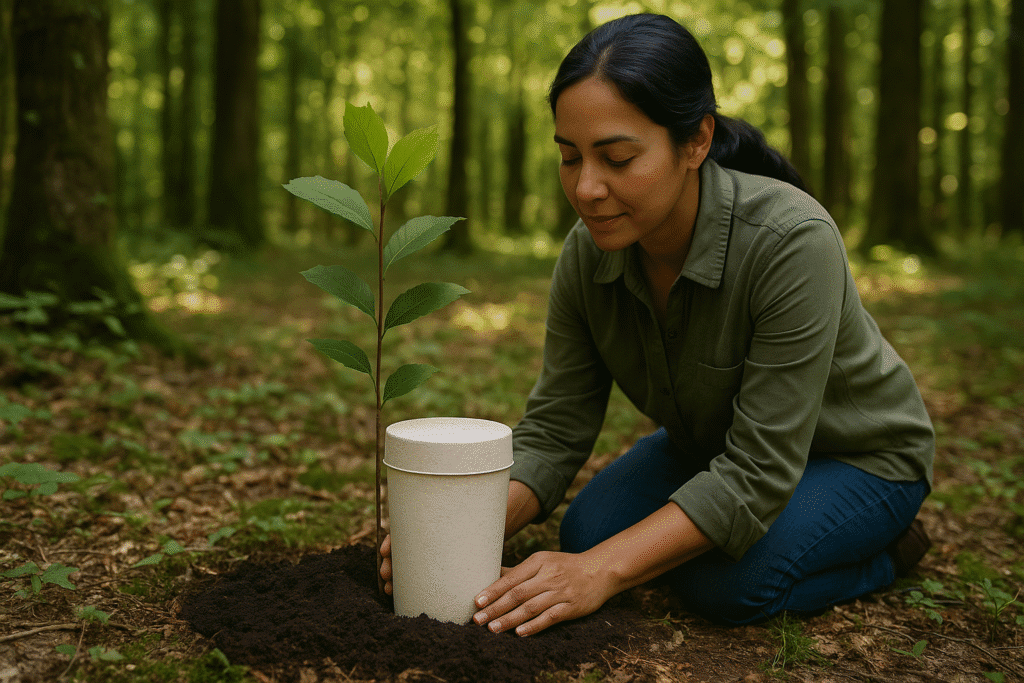
These innovative options allow you to grow a tree from ashes, combining a biodegradable container with a sapling. The ashes provide minerals that aid in root development, symbolizing new life from remembrance.
“I buried my father beneath a maple sapling using a living urn,” shares 41-year-old Elizabeth from Oregon. “Every fall, the red leaves feel like a gentle hug from him.”
Benefits of Biodegradable Urns: Why Families Are Making the Switch
Eco-Friendly Memorials
Traditional urns can sit in mausoleums or closets for generations. In contrast, biodegradable urns return nutrients to nature, helping ecosystems instead of burdening them.
Legal in More Locations
Most U.S. states and national parks allow biodegradable burials with fewer permits than metal urns. That makes beach scatterings or forest memorials more accessible.
Emotional Closure
Watching a biodegradable urn dissolve in water or nourish a growing tree can offer deep emotional healing—something cold, hard urns simply don’t provide.
Travel-Friendly
Some urns, like cardboard scattering tubes, are TSA-compliant and easier to carry on flights. This flexibility matters when the final goodbye involves travel.
Environmental Impact: Numbers That Matter
Every year, the U.S. funeral industry contributes over 1.6 million tons of reinforced concrete, 20 million feet of hardwood, and 4 million gallons of embalming fluid to the ground—all of which leach into the soil and water over time.
Switching to biodegradable urns:
- Reduces carbon footprint
- Limits use of non-renewable resources
- Avoids soil contamination
- Helps reforest or restore green spaces
In fact, several conservation cemeteries in the U.S., including those in California, Texas, and Florida, now require biodegradable containers to support local ecosystems.
What About Cost? Are Biodegradable Urns Affordable?
Absolutely. While luxury options can run up to $300–$500, most biodegradable urns cost between $50 to $150, often cheaper than traditional urns made of bronze, marble, or steel.
Tree-based urn kits may cost more ($150–$250), but considering they include a live plant and often shipping, many families view it as a meaningful investment.
Where to Buy Biodegradable Urns
Eco-friendly urns are available online through:
- Green burial retailers
- Funeral homes
- Amazon
- Specialty eco stores
Some reputable U.S.-based brands include The Living Urn, Passages International, and Ecopod.
Pro Tip: Look for products labeled certified biodegradable and non-toxic. Avoid urns with chemical glues or artificial dyes.
Is This the Future of Memorials?
As climate awareness rises and families seek more personal, healing rituals, biodegradable urns are gaining popularity not just among eco-warriors, but also among everyday families.
They align with the belief that death isn’t just an end—it can also be a gentle return to the cycle of life.
Final Thought: A Greener Goodbye
Choosing a biodegradable urn is more than a sustainable gesture. It’s a powerful symbol—of respect, rebirth, and reconnection with nature.
Whether you’re scattering ashes at sea or planting a tree in your backyard, the message is clear: even in goodbye, we can make a difference.